

High-end sneaker soles can hurt in Chicago because premium materials often prioritize structure, style, or responsiveness over comfort. Chicago averages 38.4 inches of annual snowfall, while January averages only 25.2°F. Therefore, cold pavement, stiff compounds, poor fit, and long walking distances can amplify pressure. Checking a gucci footwear sizing chart also illustrates why precise sizing matters before blaming the sole.
Key Takeaways
- Cold temperatures can make some rubber compounds feel noticeably firmer.
- Luxury sneakers may sacrifice cushioning for structure, shape, or durability.
- Chicago’s hard sidewalks increase repetitive loading during long urban walks.
- A narrow toe box can create pain even with excellent cushioning.
- Thin insoles can leave feet under-supported during extended walking.
- Simple fit adjustments can sometimes solve pain without replacing sneakers.
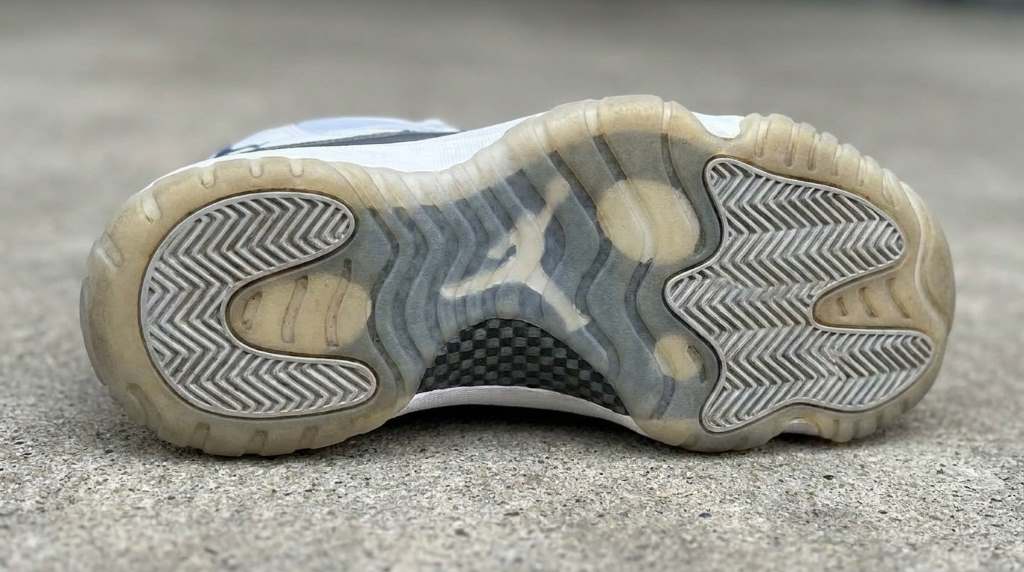
How Chicago Streets Change Sneaker Comfort
Chicago creates a demanding environment for everyday sneakers, especially during colder months. Normal January temperatures range from 18.8°F to 31.6°F, according to long-term climate records.
Consequently, outdoor conditions can change how your sneaker materials feel beneath your feet. Some rubber compounds become less flexible as temperatures fall, which can make each step feel harsher.
Chicago also combines sidewalks, concrete floors, train platforms, and long walking routes. Research has found substantially higher plantar pressure on concrete than softer walking surfaces.
Therefore, a sneaker that feels comfortable indoors may become tiring after several miles downtown. The sole does not necessarily fail because the shoe costs more.
Instead, the shoe may simply deliver the wrong combination of flexibility, cushioning, traction, and stability. That distinction helps identify the real source of discomfort.
For people managing sensitive pressure points, fashionable shoes for bunions provide useful fit principles. Those principles emphasize adequate forefoot space and reduced pressure around sensitive areas.
Cold Weather Makes the Difference
Winter conditions can make a sneaker sole feel different before you even begin walking. Rubber and foam materials can respond differently when exposed to freezing temperatures.
As a result, your outsole may feel firmer while your midsole may provide less noticeable compression. That combination can make familiar sneakers feel unusually rigid.
Moreover, snow and ice force people to shorten their stride and change foot placement. Those adjustments can shift pressure toward different parts of the foot.
Why Expensive Sneakers Can Still Feel Uncomfortable
Price does not automatically determine ergonomic performance. Luxury footwear often balances craftsmanship, aesthetics, brand identity, durability, and performance characteristics.
Consequently, designers may use firmer midsoles or structured outsoles to preserve the intended silhouette. That construction can feel excellent for short outings but tiring during extended walking.
Some premium sneakers also use substantial outsole rubber for durability and visual impact. More material can increase weight and reduce the flexible sensation some walkers prefer.
Meanwhile, a highly cushioned sneaker can still cause pain if its geometry mismatches your foot. Cushioning cannot compensate for excessive pressure from a narrow or poorly shaped upper.
Firmness Versus Cushioning
A firm sole can provide stability, but excessive firmness may increase perceived impact. Conversely, extremely soft foam can feel unstable and require additional muscular effort.
The best choice depends on your walking pattern, body mechanics, route length, and personal comfort threshold. Therefore, avoid judging a sneaker solely by its softness.
Instead, evaluate how the shoe feels after thirty minutes of continuous walking. Short store trials often hide discomfort that appears later.
Weight Matters More Than Many Buyers Expect
Heavy sneakers require slightly more effort during repeated steps. That difference can become noticeable during long commutes or sightseeing days.
Chicago’s extensive pedestrian environment makes this factor particularly relevant. A shoe that feels luxurious for dinner may feel cumbersome after several miles.
Therefore, consider total shoe weight alongside cushioning and outsole construction. A lighter design may deliver better practical comfort without feeling less premium.
Could Your Fit Be Causing the Pain?
Sometimes the sole receives blame for discomfort caused by sizing. A shoe can have excellent cushioning while creating pressure because your foot lacks sufficient room.
For example, an undersized sneaker can force your toes against the front during downhill walking. Likewise, a narrow upper can compress the forefoot throughout the day.
Interestingly, Dallas apparel accessories market trends also highlight how footwear increasingly combines appearance with functional demands. Buyers should therefore evaluate construction rather than relying on luxury positioning.
Check These Fit Signals
- Toe clearance: Keep comfortable space ahead of your longest toe.
- Forefoot width: Avoid pressure across the widest part of your foot.
- Heel security: Your heel should remain stable without excessive tightening.
- Instep pressure: Check whether laces or panels press directly against your foot.
- Midfoot support: Look for stable contact without uncomfortable squeezing.
If pain appears immediately after tightening the laces, loosen the pressure before changing footwear. However, persistent pain deserves closer evaluation rather than endless fit adjustments.
How Sidewalks, Snow, and Salt Affect Your Soles
Chicago sidewalks introduce another variable that indoor floors cannot replicate. Uneven pavement requires your foot and ankle to respond constantly to small surface changes.
Snow and slush create additional instability, especially when hidden ice appears beneath wet surfaces. Your body may naturally stiffen the lower leg to maintain balance.
Road salt creates another practical concern because residue can accumulate around outsole grooves. Although salt does not directly cause foot pain, contaminated traction patterns can alter your walking confidence.
During the 2025 to 2026 meteorological winter, Chicago recorded 21.9 inches of snow. Therefore, winter footwear performance remains an important consideration for city walking.
Traction Can Change Your Walking Mechanics
When traction feels uncertain, people often take shorter steps and increase muscular tension. That behavior can make a rigid sneaker feel even less comfortable.
Consequently, examine the outsole pattern when shopping for Chicago walking shoes. Deeper grooves can provide useful grip across wet or snowy surfaces.
However, aggressive traction does not guarantee comfort. The outsole still needs enough flexibility to support your natural stride.
What To Do When Your High-End Sneakers Hurt
Do not immediately discard expensive sneakers because they hurt during the first few outings. First, identify exactly where the discomfort begins and when it appears.
Walk indoors for fifteen minutes while wearing your normal socks. Then inspect whether pain develops under the heel, forefoot, arch, toes, or outer edge.
Use This Troubleshooting Sequence
- Check sizing: Confirm length, width, and toe clearance.
- Check socks: Test thinner or slightly thicker socks for pressure changes.
- Check lacing: Reduce pressure across the instep without losing heel security.
- Check the insole: Compare the original insert with a supportive alternative.
- Check the sole: Look for excessive stiffness, weight, or uneven wear.
- Check your route: Compare short indoor walks with longer outdoor distances.
Make only one change at a time so you can identify what actually improves comfort. Otherwise, multiple modifications can hide the original problem.
Consider a Better Insole
A removable insole can substantially change how a sneaker distributes pressure. However, an aftermarket insert should fit correctly without crowding the upper.
Start with a low-profile option if the sneaker already fits closely. A bulky insert can reduce vertical space and create new pressure points.
Furthermore, inspect your existing insole for compression or uneven wear. A worn insert can change your foot position even when the outsole remains intact.
How to Choose Better Sneakers for Chicago Walking
Choosing a comfortable sneaker requires matching construction with your actual walking environment. Start with the distance you typically walk rather than the shoe’s appearance.
If you regularly walk several miles, prioritize balanced cushioning and moderate flexibility. Also, consider traction if your routes include wet sidewalks or winter conditions.
For budget-conscious shoppers, comfortable running shoes budget guidance can provide useful selection criteria. Running-inspired construction often emphasizes cushioning, flexibility, and weight control.
Look for These Construction Features
- Moderate cushioning: Choose enough impact protection without excessive softness.
- Flexible forefoot: Ensure the shoe bends naturally near the toes.
- Stable heel: Look for secure rear-foot containment during longer walks.
- Useful traction: Select tread suited to wet, rough, and seasonal surfaces.
- Breathable upper: Reduce heat buildup during indoor and outdoor transitions.
- Removable insole: Preserve flexibility for future fit adjustments.
Most importantly, judge the entire shoe rather than focusing on its outsole alone. Comfort comes from how the upper, midsole, outsole, and foot interact.
When You Should Stop Wearing the Sneakers
Occasional adjustment discomfort differs from persistent or worsening pain. If pain continues despite reasonable fit changes, stop using the footwear temporarily.
Likewise, swelling, numbness, burning, or sharp pain deserves more attention than ordinary tiredness. Continuing long walks through significant discomfort can make the situation harder to evaluate.
A footwear specialist can assess fit and recommend appropriate modifications when necessary. Persistent foot pain may also require professional medical evaluation.
The Bottom Line: Expensive Does Not Mean Chicago-Proof
High-end sneaker soles can hurt in Chicago because luxury construction does not automatically match cold weather or long urban walking. Firm materials, unsuitable geometry, hard pavement, winter conditions, and poor sizing can combine quickly.
Therefore, focus on fit, flexibility, cushioning, traction, and walking distance before focusing on price. Test your sneakers gradually and adjust one variable at a time.
If your current pair repeatedly causes discomfort, choose a shoe designed around your walking needs rather than its prestige. Your best sneaker should feel supportive after several miles, not merely impressive when you first put it on.
Call to action: Before your next Chicago walking day, check your sneaker fit, outsole flexibility, traction, and insole condition. Make the necessary adjustment before discomfort turns a good day into a painful one.
Frequently Asked Questions
Why do expensive sneaker soles hurt my feet?
Expensive sneakers can hurt when their firmness, geometry, weight, or fit conflicts with your foot.
Does Chicago’s cold weather affect sneaker soles?
Yes, cold temperatures can make some sole materials feel firmer and less flexible.
Can a wrong sneaker size cause sole pain?
Yes, incorrect sizing can create pressure that feels like sole discomfort during extended walking.
Are softer soles always better for Chicago walking?
No, balanced cushioning usually works better because excessive softness can reduce stability.
Should I replace sneakers that hurt after several miles?
Replace them if proper sizing and reasonable adjustments fail to eliminate persistent discomfort.