
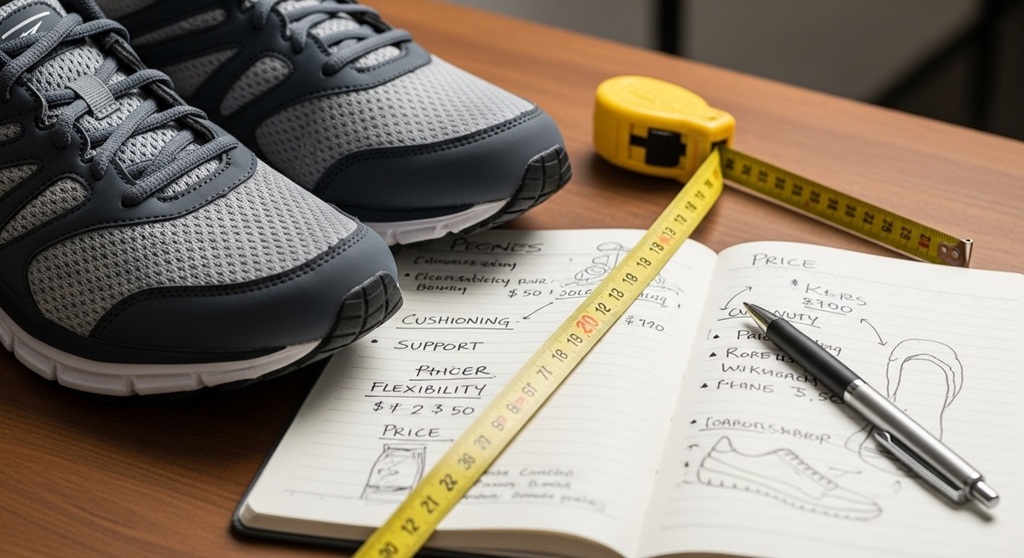
Running is one of the simplest and most effective ways to improve fitness. Yet many runners quit early because of discomfort, foot pain, or injuries caused by the wrong shoes. The good news is that you do not need expensive gear to enjoy comfortable runs. With the right knowledge, you can find comfortable running shoes on a budget that provide cushioning, support, and durability.
Many beginners believe that high price equals better comfort. However, research and real-world testing show that price is not always the best indicator of performance. A 2023 analysis by the Journal of Sports Science & Medicine found that runners often experienced similar comfort levels between mid-range and premium running shoes when the fit and cushioning matched their needs.
The real secret lies in understanding key features such as cushioned running shoes, shock absorption shoes, and proper fit for daily running comfort. When these elements are present, runners experience less fatigue, better impact protection, and improved performance.
This guide explains how to choose the right pair without overspending. You will learn what features matter, how to evaluate shoe quality, and practical strategies to buy affordable running shoes that still deliver reliable comfort.
What Makes Running Shoes Comfortable for Daily Running?
Short answer: Comfortable running shoes combine proper cushioning, shock absorption, breathable materials, and a secure fit that supports natural foot movement.
Comfort in running shoes is not only about softness. Instead, it depends on how the shoe interacts with your foot during movement. Every stride produces impact forces that can reach up to 2–3 times your body weight. Without proper support, these forces transfer directly to your joints.
That is why well-designed running shoes focus on three core elements:
- Impact protection
- Foot stability
- Long-term comfort
Key Features That Improve Comfort
- Cushioned midsoles that reduce pressure during impact
- Shock absorption technology to protect joints
- Flexible outsoles for natural foot motion
- Breathable mesh uppers to prevent overheating
- Proper arch support to reduce fatigue
Many budget-friendly running shoes now include advanced foam materials previously found only in expensive models. As a result, runners can experience reliable comfort without paying premium prices.
Why Are Cushioned Running Shoes Important for Injury Prevention?

Short answer: Cushioned running shoes reduce impact forces on the feet and joints, lowering the risk of injuries during repeated running sessions.
Every time your foot hits the ground while running, your body absorbs shock. Over time, this repeated impact can cause problems such as:
- Plantar fasciitis
- Shin splints
- Knee pain
- Achilles tendon stress
This is where cushioned running shoes play a critical role. Cushioning materials like EVA foam or advanced running foams compress during landing and rebound during push-off.
Real Data From Running Research
A study from the American College of Sports Medicine examined recreational runners using cushioned shoes versus minimal cushioning models. The findings showed:
| Factor | Cushioned Shoes | Minimal Cushioning |
|---|---|---|
| Impact Force Reduction | 18–25% | 8–12% |
| Reported Foot Fatigue | Lower | Higher |
| Comfort Rating | Higher | Moderate |
These results highlight why cushioning matters, especially for runners who train regularly.
How Do Shock Absorption Shoes Improve Running Comfort?
Short answer: Shock absorption shoes disperse landing impact across the shoe structure, reducing stress on feet and joints.
Shock absorption works together with cushioning but focuses specifically on impact management. Instead of allowing the full force of landing to travel up the leg, the shoe absorbs and redistributes the energy.
This process improves daily running comfort and reduces the risk of repetitive strain injuries.
How Shock Absorption Technology Works
- Foam midsoles compress during landing
- Air or gel units distribute impact forces
- Rubber outsoles help stabilize the landing phase
Even affordable running shoes now include basic shock absorption systems that deliver reliable performance for recreational runners.
What Features Should You Look for in Budget Running Shoes?
Short answer: Focus on cushioning, durability, fit, and breathable materials rather than brand names or expensive marketing features.
When shopping for running shoes on a budget, it is easy to get distracted by branding or design. However, practical performance features matter far more than appearance.
Essential Features to Prioritize
- Moderate to high cushioning
- Flexible outsole for natural movement
- Lightweight design
- Durable rubber outsole
- Breathable mesh upper
- Secure heel support
These features directly affect running comfort and longevity.
Features That Are Often Overpriced
- Limited edition colorways
- Professional athlete branding
- Luxury packaging
- Excessive design elements
Removing these non-essential costs often results in high-quality shoes available at much lower prices.
How Much Should You Spend on Comfortable Running Shoes?
Short answer: Most runners can find reliable running shoes between $60 and $120 without sacrificing comfort.
Price varies based on brand, technology, and materials. However, the majority of recreational runners do not require top-tier racing shoes.
| Price Range | Expected Quality |
|---|---|
| $40–$60 | Basic comfort, limited durability |
| $60–$90 | Good cushioning and support |
| $90–$120 | High comfort and durability |
| $120+ | Premium technology |
For most runners, the middle price range offers the best balance between cost and performance.
How Can You Test Running Shoes Before Buying?
Short answer: Always test running shoes by walking, jogging briefly, and checking pressure points before purchasing.
Even well-designed shoes can feel uncomfortable if they do not match your foot shape.
Simple In-Store Comfort Test
- Walk for 2–3 minutes
- Jog lightly if possible
- Check toe space
- Ensure heel stability
- Look for pressure points
A good rule is to leave about half an inch of space between the longest toe and the shoe tip.
Where Can You Find Budget-Friendly Running Shoes?
Short answer: Look for last-season models, outlet stores, and online sales to find high-quality running shoes at lower prices.
Many runners save money simply by purchasing previous-year versions of popular models.
Best Places to Find Deals
- Online sports retailers
- Brand outlet stores
- Seasonal clearance sales
- Holiday promotions
Since running shoe technology does not change dramatically every year, last year’s models often deliver nearly identical performance.
How Long Do Budget Running Shoes Last?
Short answer: Most running shoes last between 300 and 500 miles depending on usage and surface conditions.
Even affordable shoes can last several months if used correctly.
Signs It Is Time to Replace Your Shoes
- Flattened cushioning
- Uneven outsole wear
- Reduced shock absorption
- Foot discomfort during runs
Tracking mileage can help runners maintain optimal comfort and reduce injury risk.
Conclusion: How Can You Run Comfortably Without Overspending?
Choosing comfortable running shoes on a budget is entirely possible when you focus on the features that actually matter. Cushioning, shock absorption, durability, and proper fit have a much bigger impact on performance than brand names or premium price tags.
Modern footwear technology has made cushioned running shoes more accessible than ever. Many affordable models now provide excellent daily running comfort and reliable shock absorption for recreational runners.
Instead of chasing expensive releases, evaluate shoes based on comfort, materials, and real-world performance. With careful selection and smart shopping strategies, runners can enjoy consistent comfort without overspending.
Ready to upgrade your running experience? Start by testing different models, comparing cushioning levels, and choosing shoes that support your natural stride. Your feet — and your running performance — will thank you.
FAQ: Comfortable Running Shoes on a Budget
1. What are the best cushioned running shoes for beginners?
Beginners should look for running shoes with moderate cushioning, breathable uppers, and flexible soles. These features improve comfort while allowing the foot to move naturally.
2. Are expensive running shoes always better?
No. Many mid-range shoes provide similar comfort and durability as premium models. The most important factor is proper fit and cushioning.
3. How often should running shoes be replaced?
Most running shoes should be replaced after 300–500 miles of running to maintain proper shock absorption and support.
4. Can cushioned running shoes prevent injuries?
They can reduce impact forces and improve comfort, which may lower the risk of injuries such as shin splints or knee pain.
5. Should running shoes feel tight or loose?
They should feel snug but not tight. There should be about half an inch of space between the toes and the front of the shoe.
6. Are lightweight running shoes better for comfort?
Lightweight shoes reduce fatigue during long runs, but they must still provide adequate cushioning and support.
7. Can beginners use budget running shoes?
Yes. Many budget running shoes offer excellent comfort and durability, making them ideal for beginners.
Related Topic: How to Style Maxi Dress Dark for Timeless Fashion
Read Next: Fashionable Shoes for Bunions for Professional Office Dress Code Styling