
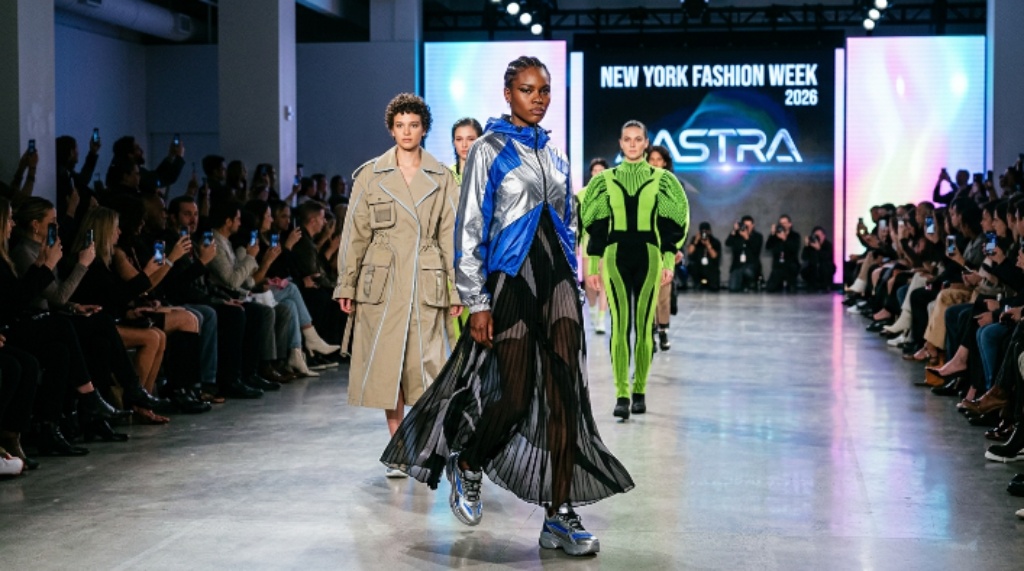
New York Fashion Week returns this September, bringing together top designers, editors, buyers, and style lovers from around the world. The event is scheduled to run from September 11 to September 13, 2026. This guide covers everything you need to know, including dates, venues, ticket options, designer lineups, and tips for making the most of the week.
What Is New York Fashion Week
New York Fashion Week is a biannual event where designers present their newest collections to press, retailers, and the public. It happens twice a year, once in February and once in September. The September edition usually previews spring and summer collections for the following year. Because New York is one of the four major fashion capitals, alongside London, Milan, and Paris, this week carries significant weight in the global fashion calendar.
The event is organized with support from industry bodies and sponsors, and it features runway shows, presentations, pop-up events, and parties across the city. Although the main shows are invite-only, many brands host public activations, making it possible for fans to experience the energy of the week without a formal invitation.
New York Fashion Week 2026 Dates
This season, New York Fashion Week will take place from Friday, September 11, through Sunday, September 13, 2026. The three-day format is shorter than some past editions, which allows for a tighter, more focused schedule. Below is a simple breakdown of the key dates.
| Day | Date | Focus |
| Day One | September 11, 2026 | Opening shows, major established labels |
| Day Two | September 12, 2026 | Mid-week presentations, emerging designers |
| Day Three | September 13, 2026 | Closing shows, headline finale events |
Because schedules can shift due to venue changes or last-minute additions, it is wise to check official listings closer to the event. However, the three-day window from September 11 to 13 remains the anchor for this season’s programming.
Where the Shows Take Place
New York Fashion Week does not rely on a single venue. Instead, shows are spread across the city in various locations, including event spaces, hotels, galleries, and sometimes outdoor settings. Spring Studios in Tribeca has served as a central hub in past seasons, hosting a mix of runway shows and presentations under one roof. Additionally, several designers choose unique locations that reflect their brand identity, such as historic buildings, rooftops, or art spaces.
This variety adds excitement to the week since attendees often travel between neighborhoods like Chelsea, Tribeca, and Midtown to catch different shows. Therefore, planning your route in advance can save time and help you avoid missing key presentations.
Daily Schedule Overview
While the exact runway times are typically released closer to the event, the general daily rhythm of New York Fashion Week tends to follow a predictable pattern. Mornings often feature smaller presentations, while afternoons and evenings are reserved for the larger runway shows. Below is a general sample structure many past seasons have followed, which can help you anticipate the flow of the 2026 edition.
| Time Slot | Typical Activity |
| Morning | Showroom previews, smaller designer presentations |
| Midday | Panel discussions, media interviews, brand pop-ups |
| Afternoon | Runway shows from established and emerging labels |
| Evening | Headline shows, after-parties, industry events |
This structure repeats across each of the three days, with the intensity building toward the closing day on September 13.
Designers Expected to Participate
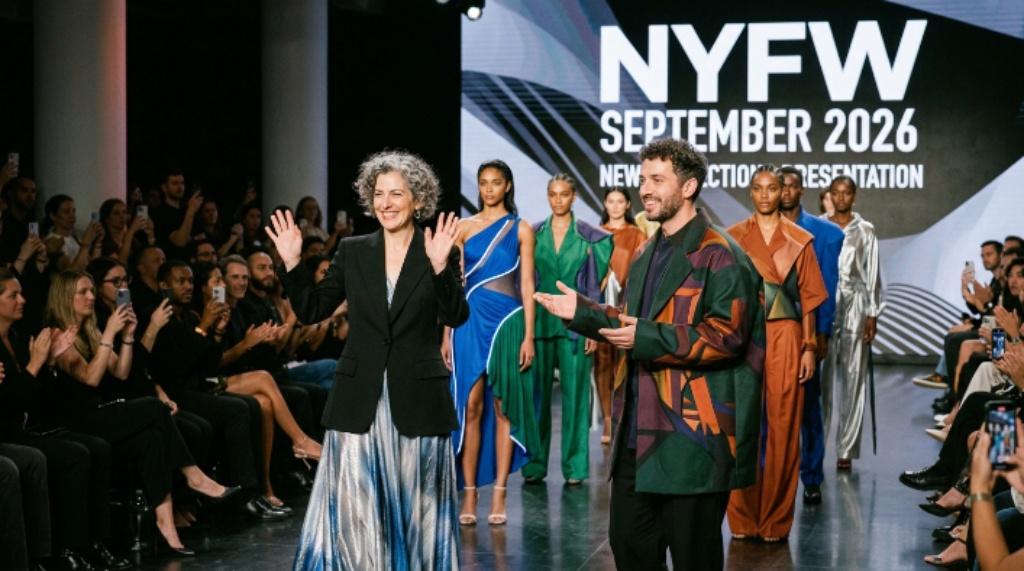
Every season, New York Fashion Week brings together a mix of household names and rising talent. While the final designer roster is usually confirmed closer to the event, past seasons offer a useful guide to the type of participants you can expect. Established American labels, luxury houses, and independent designers all compete for attention during this compact three-day window.
Some categories of designers typically seen on the schedule include:
- Long-standing American fashion houses known for ready-to-wear collections
- Contemporary and streetwear-focused labels with strong social media followings
- Emerging designers presenting through incubator programs or council initiatives
- International brands choosing New York as a launch platform for the American market
Because the official CFDA schedule is usually published a few weeks before the event, fashion followers should check back regularly for updates. This ensures you know exactly which shows are confirmed for September 11 through 13.
How to Get Tickets
Attending New York Fashion Week can feel intimidating for newcomers, but there are several pathways depending on your goals. Most designer runway shows remain invite-only, reserved for press, buyers, and industry insiders. However, options exist for members of the public who want to experience the week firsthand.
Ticketed public shows: Some designers open select shows to the public through ticketing platforms. These tickets often sell out quickly, so early registration is recommended.
Livestreams: Many brands stream their shows online, allowing fans anywhere in the world to watch in real time without needing a physical ticket.
Pop-up events: Retail activations, trunk shows, and brand pop-ups scattered across the city are usually free and open to the public.
Volunteer or student access: Fashion students and volunteers sometimes gain behind-the-scenes access through school programs or event staffing opportunities.
If you are hoping to attend in person, it helps to follow official fashion week organizers and individual designer accounts on social media. Announcements about ticket releases often appear there first.
Tips for Attending New York Fashion Week
Attending fashion week, even from the outside, requires some planning. The city becomes especially busy during this period, with increased traffic and limited availability at popular restaurants and hotels. Consequently, booking accommodations and transportation early is a smart move.
Here are a few practical tips for making the most of your visit:
- Book hotels near key venue clusters to reduce travel time between shows
- Dress comfortably yet stylishly, since you may be walking or standing for long periods
- Keep a flexible schedule, as show times can change with little notice
- Follow official fashion week social accounts for real-time updates
- Bring a portable charger, since you will likely be checking your phone often for schedule changes
Additionally, if you plan to attend public events, arriving early is often necessary since space can be limited. Being prepared with a rough itinerary will help you avoid missing shows you are most excited about.
Why New York Fashion Week Matters
New York Fashion Week plays an important role in shaping global style trends. Buyers and retailers use the collections shown during this week to decide what will appear in stores the following season. Meanwhile, media coverage from the event influences public taste, setting the tone for fashion conversations in the months ahead.
Beyond the business side, the event also celebrates creativity and craftsmanship. Designers use their runway time to tell stories through fabric, silhouette, and presentation style. As a result, fashion week becomes more than a trade event. It becomes a cultural moment that draws attention from celebrities, influencers, and everyday fashion enthusiasts alike.
Because the 2026 edition runs during a compact three-day window, this season may feel more concentrated and energetic than longer editions of the past. Attendees can expect a fast-paced schedule packed with notable moments from September 11 through September 13.

What to Expect This Season
Although specific themes and collection details are typically revealed closer to show dates, industry watchers often look for a few consistent elements each season. These include shifts in silhouette trends, color palettes tied to the upcoming spring and summer months, and continued attention to sustainability practices within the fashion industry.
Many designers also use their September shows to comment on broader cultural moments, blending artistic expression with social commentary. Therefore, this season’s shows may reflect current conversations happening both within fashion and in wider society.
Fashion journalists and stylists will likely publish daily recaps throughout the three-day event, making it easy for those not attending in person to stay informed. Social media platforms will also play a major role, with behind-the-scenes content offering a closer look at what happens beyond the runway.
Conclusion
New York Fashion Week 2026 will take place from September 11 to September 13, offering a compact yet impactful showcase of design talent. The event brings together established houses and emerging designers, spread across venues throughout the city. While most runway shows remain invite-only, public tickets, livestreams, and pop-up events offer accessible ways to join the excitement. Planning ahead, whether for travel, accommodations, or ticket registration, will help you make the most of this fast-moving fashion celebration. As the schedule develops closer to the event, checking official sources will ensure you have the latest details on shows, designers, and venues.
Frequently Asked Questions
When does New York Fashion Week 2026 take place?
The event is scheduled to run from September 11 to September 13, 2026.
Can the public attend New York Fashion Week shows?
Most runway shows are invite-only, but select shows offer public tickets, and many brands stream their presentations online for anyone to watch.
Where are the shows usually held?
Shows take place across multiple venues in New York City, including event spaces, hotels, galleries, and unique locations chosen by individual designers.
How can I find the official designer schedule?
The official schedule is typically released a few weeks before the event through industry organizers, so checking back regularly is recommended.
Is New York Fashion Week only for professionals?
While the event primarily serves press, buyers, and industry insiders, fans can still participate through public shows, livestreams, and pop-up activations across the city.