

Ever walked into a spa expecting a calming escape, only to be overwhelmed by strong perfume smells? While signature scents like lavender essential or ylang-ylang aroma can enhance relaxation, an unpleasant odor can disrupt the tranquil vibe. Strong fragrances, whether natural or synthetic, may trigger discomfort or even mental stress for some visitors. Fortunately, there are ways to manage these overpowering smells and restore a positive mood. This article, informed by a detailed dataset on fragrance effects, offers practical solutions for spa-goers and staff to ensure a soothing experience. Ready to breathe easy and enjoy your spa day? Let’s explore how! We suggest visiting the laser hair removal in midtown Manhattan.
Understanding the Impact of Strong Perfume Smells
Strong perfume smells can significantly affect the spa experience. The dataset highlights theta activity, mentioned ten times, and electroencephalographic activity, noted six times, as key indicators of how fragrances influence brain electrical responses. According to a study published in Brain Res, cited four times, inhaling certain aromas can alter nervous system activity, impacting cognitive activity and mood. For instance, lavender oil inhalation, mentioned four times, often promotes relaxation by increasing theta wave activity, noted four times, but overpowering scents may heighten sympathetic activity, cited eight times, leading to stress. Visit the best anti aging facial in midtown Manhattan to get the best care for anti aging.
Unpleasant odors, mentioned twice, can disrupt odor perception and cause discomfort, especially for those sensitive to synthetic fragrances, noted twice. Understanding these effects helps spas and clients address strong smells effectively.
Why Strong Perfumes Can Be a Problem at Spas
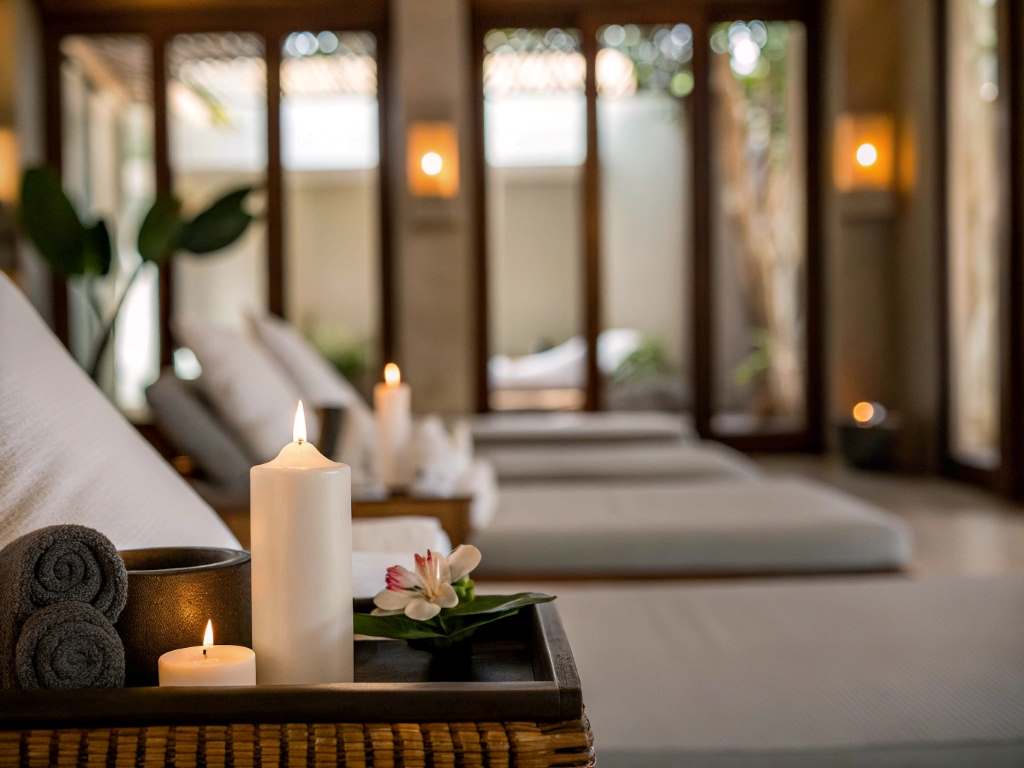
Strong perfumes, whether from chiral fragrances or isomeric aroma components, both mentioned four times, can overwhelm the senses. The dataset points to odor characteristics and odor distinctiveness, each noted four times, as factors that shape how scents are perceived. For some, a floral scent might feel calming, but for others, it can trigger mental stress or work-related stress, both cited six times. This is because the brain’s electrical activity, mentioned nine times, responds differently to various odors.
Common issues with strong perfumes include:
- Sensory Overload: Intense smells can overstimulate, reducing the effects on mood that spas aim to enhance.
- Allergic Reactions: Synthetic fragrances may cause irritation for sensitive individuals, disrupting relaxation.
- Inconsistent Ambiance: A strong scent can clash with the spa’s goal of creating a serene environment.
Wondering how to enjoy a spa visit without being overwhelmed by fragrances? Keep reading for practical tips!
Pre-Visit Prep: Setting Up for a Fragrance-Friendly Spa Day
Preparation can minimize the impact of strong perfume smells. The dataset emphasizes the influence of fragrances, mentioned four times, on the spa experience. Here’s how clients can get ready:
- Communicate Preferences: Inform the spa about sensitivity to strong odors when booking. This allows staff to adjust scent use, like reducing L. angustifolia aroma, cited eight times.
- Choose Low-Scent Services: Opt for treatments that avoid heavy fragrance use, such as unscented massages.
- Bring a Mask: A lightweight face mask can filter strong smells, ensuring a comfortable visit.
Spas can also ask clients about fragrance preferences during intake to tailor the experience, along with their preferences for spa swimwear. This proactive step enhances client comfort and promotes a positive mood, noted twice.
Spa Strategies: Managing Strong Scents for Guest Comfort
Spas can take steps to balance their use of signature scents while minimizing discomfort. The dataset highlights natural fragrances, mentioned three times, as a preferred option for many. Here’s how spas can create a fragrance-friendly environment:
- Use Natural Fragrances Sparingly: Opt for subtle scents like lavender essential or ylang-ylang aroma, both noted in the dataset, to avoid overwhelming guests.
- Ventilate Spaces: Ensure good airflow to disperse strong odors and maintain a fresh atmosphere.
- Offer Scent-Free Zones: Designate areas with minimal or no fragrances for sensitive clients, reducing sympathetic activity.
A 2020 study from the Journal of Neuroscience suggests that controlled inhalation of aroma, mentioned five times, can enhance relaxation without triggering stress. Spas can use this research to fine-tune their scent strategies.
Client Actions: Coping with Strong Perfumes During a Visit
If a strong perfume smell disrupts your spa experience, quick actions can help. The dataset underscores the importance of managing odor perception, mentioned four times, for comfort. Try these tips:
- Request Adjustments: Politely ask staff to reduce scent use or open a window to lessen the impact of an unpleasant odor.
- Focus on Breathing: Practice slow, deep breathing to stay calm and minimize the effects of overpowering smells on mental stress.
- Use a Scent Neutralizer: Carry a small bottle of unscented lotion to apply near your nose, helping to block strong fragrances.
These strategies empower clients to enjoy their spa visit despite unexpected scents. Curious about long-term solutions for fragrance sensitivity? Let’s explore!
Long-Term Solutions: Building a Fragrance-Friendly Spa Routine
For regular spa-goers, adopting habits to manage strong perfume smells ensures consistent relaxation. The dataset highlights the effects on mood, mentioned four times, as a key benefit of well-managed scents. Here’s how to build a fragrance-friendly routine:
- Choose Low-Fragrance Spas: Research spas that prioritize natural fragrances or offer scent-free options to align with your preferences.
- Educate Yourself on Scents: Learn about chiral fragrances and isomeric aroma components to understand which scents suit your nervous system activity.
- Provide Feedback: Share constructive feedback with the spa about fragrance use to encourage a more tailored experience.
Regular communication with spa staff can create a personalized environment that minimizes work-related stress and maximizes relaxation.
Common Mistakes to Avoid with Spa Fragrances
Even with good intentions, some actions can worsen the impact of strong perfumes. The dataset points to synthetic fragrances as a common issue, noted twice. Avoid these pitfalls:
- Assuming all scents are harmless, as some can increase beta activities and stress.
- Ignoring sensitivity to fragrances, which may disrupt theta wave activity and relaxation.
- Overusing personal perfumes before a visit, which can clash with the spa’s signature scents.
By steering clear of these mistakes, clients and spas can maintain a harmonious, stress-free environment.
Creating a Balanced Spa Experience
Managing strong perfume smells requires collaboration between clients and spas. By using natural fragrances, communicating preferences, and leveraging ventilation, spas can enhance cognitive activity and promote a positive mood. Clients, meanwhile, can prepare thoughtfully and advocate for their comfort. Together, these efforts ensure that every spa visit is a true escape, free from the distraction of overpowering odors.
Wondering how to make your next spa day scent-perfect? Start with small steps, like requesting low-scent treatments or researching fragrance-friendly spas. Over time, these habits will transform your spa experience into one of pure bliss.
At Last
Strong perfume smells don’t have to ruin your spa day! With these tips, you can enjoy a relaxing, fragrance-friendly visit. Have you dealt with overpowering scents at a spa? Share your experiences in the comments or explore more wellness tips on our blog. Spread the word by sharing this guide with friends who love spa days—it might just make their next visit amazing! Finally, we recommended the best facials in midtown Manhattan and the best manicure in midtown Manhattan to know more details.
FAQs
How can I avoid strong perfume smells at a spa?
Request low-scent treatments and inform staff about fragrance sensitivities when booking.
Are natural fragrances better for spa environments?
Yes, natural fragrances like lavender essential are less likely to cause irritation or stress.
What should I do if a spa’s scent is too strong?
Politely ask staff to reduce fragrance use or open a window to improve airflow.
Can strong perfumes affect my mood at a spa?
Yes, overpowering scents can increase stress and disrupt the positive mood spas aim to create.
How do fragrances impact brain activity?
Scents like lavender oil inhalation can boost theta activity, promoting relaxation, per Brain Res studies.