

Attending a wake is a profound act of support, a way to offer comfort to grieving loved ones and pay respects to the person who has passed away. It’s a time filled with complex emotions, and amidst grief and sympathy, practical questions often arise, one of the most common being: “What should I wear?” Choosing the right attire for a wake is more than just a matter of fashion; it’s a non-verbal expression of respect, empathy, and support for the bereaved family. It signifies your understanding of the solemnity of the occasion and your desire to honor the memory of the departed appropriately. This guide aims to provide clear, compassionate, and comprehensive advice on navigating wake attire etiquette, ensuring you feel confident that your presence is both comforting and respectful.
The Guiding Principle: Dressing with Respect and Dignity
Before delving into specifics, the most crucial guideline for wake attire is respect. Your clothing choices should reflect the seriousness and somber nature of the event. This generally translates to selecting outfits that are conservative, modest, and understated. The focus of the gathering should remain firmly on remembering the deceased and supporting the grieving family, not on individual fashion statements. Think of your attire as a way to blend in respectfully, offering a quiet presence of support rather than drawing attention to yourself. Avoid anything overly flashy, revealing, or casual. Cleanliness and neatness are also paramount; ensure your clothes are well-maintained, clean, and free from wrinkles or tears. This attention to detail further demonstrates your respect for the occasion and those present.
Understanding the Wake Setting: Formality and Atmosphere
Wakes, sometimes called viewings or visitations, are traditionally held before the funeral service. They often take place at a funeral home, a place of worship, or sometimes even the family’s home. Compared to a funeral, a wake can sometimes have a slightly less formal atmosphere, allowing guests to come and go during set hours to offer condolences directly to the family, share memories, and perhaps view the deceased if the casket is open. However, “less formal” does not mean casual. The underlying tone remains one of mourning and respect. The expected level of formality is generally akin to business casual or “Sunday best.” It’s wiser to err on the side of being slightly more formal than too casual if you’re unsure. Consider the venue and any information provided by the family; a wake at a private home might allow for slightly more relaxed attire than one at a formal funeral home or religious institution, but the core principles of respect and conservatism still apply.
Color Palette Considerations: Traditional and Modern Choices
Traditionally, dark, muted colors are the cornerstone of wake and funeral attire in Western cultures. Black is the most classic and universally accepted color for mourning, symbolizing grief and respect. It’s always a safe and appropriate choice. However, you are not strictly limited to black. Other subdued colors are perfectly acceptable and convey the necessary solemnity. Navy blue, charcoal gray, deep brown, dark green, burgundy, or deep plum are all suitable alternatives. These darker shades maintain a respectful and understated appearance.
While tradition favors dark hues, modern practices sometimes see shifts. Some families, particularly for “celebration of life” events that might replace or follow a traditional wake, may specifically request attendees wear brighter colors or a particular color favored by the deceased. If such instructions are given, absolutely follow the family’s wishes. However, in the absence of specific guidance, sticking to the conservative palette of black or other dark, muted colors is the most respectful approach. Avoid bright, vibrant colors (like neons, bright reds, yellows, oranges, or electric blues), large or distracting patterns, and anything with prominent logos or text. Solid colors or very subtle, small patterns (like pinstripes or a quiet check) are best.
Appropriate Wake Attire for Women: Navigating Choices with Grace
Choosing an outfit for a wake requires balancing respectfulness with personal comfort. Women have several appropriate options that adhere to the principles of modesty and conservatism.
Dresses and Skirts
Dresses and skirts are classic choices. Opt for styles with hemlines that fall at or below the knee. Modesty is key, so avoid anything too tight, low-cut (both front and back), or overly revealing. Simple sheath dresses, A-line skirts, or pencil skirts in dark, solid colors or subtle patterns are excellent options. Ensure the fabric isn’t sheer. Sleeves are generally preferred; if wearing a sleeveless dress or top, consider adding a cardigan, blazer, or shawl for coverage, especially in more conservative settings or places of worship.
Pantsuits and Separates
Dress pants or a pantsuit are equally appropriate and often more comfortable alternatives. Choose well-tailored trousers in dark colors like black, navy, or gray. Pair them with a conservative blouse or a fine-knit sweater. A matching or coordinating blazer can add a touch of formality and polish. Avoid leggings worn as pants or overly casual pant styles like cargo pants.
Tops and Sweaters
Blouses, shells, and sweaters should be modest and simple. Avoid low necklines, spaghetti straps (unless covered), off-the-shoulder styles, or crop tops. Choose solid, dark, or muted colors. Fine-gauge knitwear, silk blouses, or simple cotton tops are suitable. Ensure they are clean, pressed, and fit well.
Footwear Choices
Shoes should be conservative and practical. Closed-toe shoes are generally preferred over sandals or open-toed styles. Choose flats, low heels, or mid-height heels in dark, neutral colors (black, navy, gray, brown). Ensure they are clean and polished. Avoid stilettos, platforms, sneakers, flip-flops, or overly embellished footwear. Comfort is also a factor, as you may be standing or walking; select shoes you can wear comfortably for the duration of the wake.
Accessories and Makeup
Keep accessories minimal and understated. Simple jewelry like a delicate necklace, stud earrings, or a watch is appropriate. Avoid large, flashy, or noisy jewelry (like stacks of bangles). A simple scarf in a muted tone can be a tasteful addition. Handbags should be simple and not overly large or brightly colored. Makeup should be natural and subdued. This is not the occasion for bold lipstick or dramatic eye makeup. The aim is to look neat and put-together, not glamorous.
Appropriate Wake Attire for Men: Dressing with Solemnity
For men, the guidelines also emphasize conservative and respectful choices, typically leaning towards business or semi-formal attire.
Suits vs. Separates
A dark suit (black, charcoal gray, or navy blue) is always an appropriate and safe choice for a wake. It conveys respect and seriousness. If you own multiple suits, you might reserve your black suit for the funeral itself and wear a dark gray or navy suit to the wake. However, a suit is not always mandatory for a wake, especially if the setting is slightly less formal. Dark dress pants or slacks paired with a dress shirt and tie, often topped with a sports coat or blazer, is a very common and acceptable alternative. Avoid casual pants like jeans or chinos unless you are certain the dress code is exceptionally relaxed (and even then, opt for dark wash, non-distressed styles).
Shirts and Ties
A long-sleeved, collared dress shirt is essential. White, light gray, or other muted solid colors are standard. Ensure the shirt is clean, well-pressed, and tucked in. A tie should typically be worn, especially if wearing a suit or blazer. Choose a conservative tie in a dark, solid color (black, navy, gray, burgundy) or one with a very subtle pattern (like pin dots or a quiet geometric). Avoid novelty ties, brightly colored ties, or ties with loud patterns.
Outerwear (Blazers, Coats)
If not wearing a full suit, a dark blazer or sports coat (navy, gray, black) adds a layer of formality and respect to an outfit of dress pants and a shirt/tie. Ensure it fits well and coordinates with your trousers. In colder weather, a conservative overcoat (like a dark wool coat or trench coat) is appropriate for wearing to and from the venue; it should generally be removed upon entering.
Footwear and Accessories
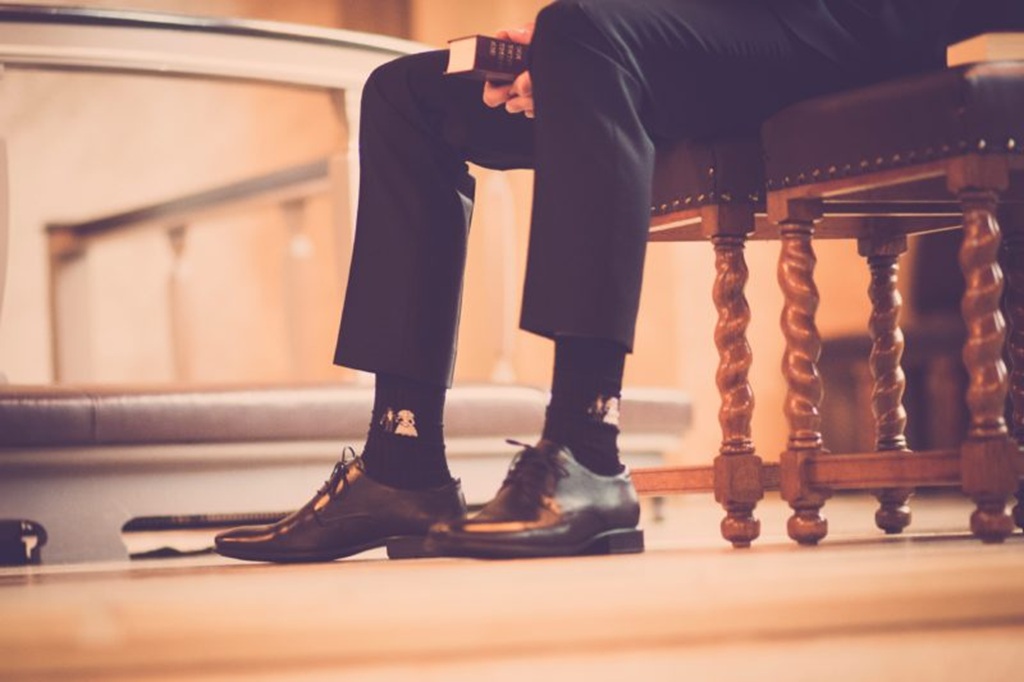
Dark dress shoes (oxfords, loafers) that are clean and polished are required. Pair them with dark dress socks. Avoid sneakers, boat shoes, sandals, or work boots. Keep accessories minimal. A watch and a wedding band are standard. A conservative belt matching your shoes should be worn with dress pants. Cufflinks, if worn, should be simple and understated. Avoid wearing hats (like baseball caps) indoors; formal hats like fedoras should also typically be removed inside as a sign of respect.
Related: A Stylish Guide to Pairing Black Shoes with Shorts
Dressing Children for a Wake: Balancing Respect and Comfort
Deciding whether to bring children to a wake depends on the child’s age, maturity, relationship to the deceased, and the family’s wishes. If children do attend, dressing them appropriately is important. While the rules might be slightly more relaxed than for adults, the principle of respect still applies. Aim for clothing similar to what they might wear to church, school pictures, or a formal family event. Dark or muted colors (navy, gray, dark green, burgundy, black) are preferable to bright colors or busy patterns.
For girls, simple dresses or skirts (knee-length or longer) paired with modest tops or sweaters are suitable. Dark-colored leggings or tights can be worn under dresses or skirts, especially in cooler weather. For boys, dark dress pants or chinos, a collared shirt (polo or button-down), and perhaps a sweater or simple blazer work well. Avoid character-themed clothing, large logos, sportswear, jeans, or anything overly casual or playful. Shoes should be clean and relatively smart – dress shoes, dark sneakers in good condition, or simple flats are better than brightly colored running shoes or sandals. Comfort is also key, as children may find the situation difficult; choose clothes that fit well and are made from comfortable fabrics, but prioritize respectfulness in the overall look.
What Absolutely Not to Wear: Common Attire Pitfalls
While focusing on what to wear is helpful, knowing what not to wear can prevent unintentional disrespect. Generally, avoid the following items:
- Bright Colors & Loud Patterns: Anything neon, overly vibrant, or featuring large, distracting prints.
- Casual Wear: Jeans (unless specifically permitted and dark/smart), shorts, t-shirts (especially graphic tees), tank tops, sportswear (jerseys, track pants), athleisure wear, sweatshirts/hoodies.
- Revealing Clothing: Mini-skirts, low-cut tops, sheer fabrics, crop tops, overly tight clothing, spaghetti straps or halter tops (unless covered).
- Flashy Items: Sequins, excessive bling, large logos, novelty accessories.
- Casual Footwear: Flip-flops, casual sandals, sneakers (unless very plain and dark, and the setting is less formal), work boots.
- Hats (Indoors): Baseball caps, beanies, and often even more formal hats for men should be removed indoors.
- Noisy Accessories: Dangling jewelry or accessories that might make noise.
- Anything Ripped, Stained, or Wrinkled: Clothing should be clean and in good repair.
Beyond the Basics: Cultural, Religious, and Personal Considerations
Etiquette can vary significantly based on cultural and religious traditions. What is considered appropriate in one context might differ in another.
- Hindu Traditions: Often favor white attire for mourning, symbolizing purity. Black might be avoided.
- Buddhist Traditions: May involve white or dark, modest clothing, depending on the specific culture (e.g., Asian Buddhist cultures often use white).
- Jewish Traditions: Typically involves dark, conservative clothing. Men often wear a yarmulke (skullcap). The mourning period (Shiva) has specific customs.
- Muslim Traditions: Emphasis on modesty is paramount. Somber colors are usual. Women are often expected to wear loose-fitting clothing and a headscarf (hijab). Men wear long sleeves and trousers. Formal wakes as understood in Western culture aren’t typical, but gatherings for condolences occur.
- Celebrations of Life: Sometimes families specifically request non-traditional attire, like bright colors, Hawaiian shirts, or sports jerseys, to reflect the personality of the deceased.
If you are attending a wake for someone from a different cultural or religious background than your own, it’s always best to respectfully inquire about appropriate attire if you are unsure. You can ask a member of the family (if appropriate and you have a close relationship), a friend closer to the family, or perhaps the funeral home coordinating the service. Making an effort to respect cultural norms will be deeply appreciated.
Seasonal Adjustments: Dressing for Wakes Year-Round
The time of year and weather conditions will naturally influence fabric choices and layering, but the core principles remain the same.
Summer Considerations
In hot weather, prioritize lightweight, breathable fabrics like cotton, linen blends, or lightweight wool.
- Women: Sleeveless dresses or tops might be acceptable if the style is modest and conservative, but consider bringing a light cardigan or shawl, especially for religious settings. Knee-length or midi dresses/skirts in dark colors are good choices. Light-colored dress pants (like beige or light gray) might be acceptable in some less formal contexts, paired with a dark, modest top. Closed-toe flats or low heels are still preferable to sandals.
- Men: A full suit might be warm, but lightweight wool or linen-blend suits exist. Alternatively, dress pants in lighter fabrics (but still dark colors ideally, though khaki might be acceptable business attire in some regions when paired with a dark blazer) with a light dress shirt and tie are appropriate. A sports coat might be carried rather than worn continuously. Always avoid shorts and short-sleeved shirts (unless it’s a very informal polo shirt in a specific context).
Winter Considerations
In cold weather, layering and warmer fabrics are necessary.
- Women: Opt for heavier fabrics like wool or thicker blends. Dresses and skirts can be paired with dark, opaque tights. Sweaters, turtlenecks (underneath a blazer or dress), and pantsuits are excellent choices. A smart, dark-colored wool coat or trench coat is appropriate outerwear. Boots can be worn, but choose dressier styles (like ankle boots or simple knee-high boots with a low heel) rather than casual snow boots or Uggs. Ensure indoor shoes are still conservative.
- Men: Wool suits are ideal. Layering a sweater over a dress shirt (under a blazer or suit jacket) can add warmth. A dark, formal overcoat (like a Chesterfield or pea coat) is appropriate. Scarves and gloves should be dark and conservative. Remove heavy outerwear upon arrival indoors if possible.
Related: The Ultimate Guide to Styling Black Sweatpants: From Couch to Cocktails
The Difference Between Wake and Funeral Attire: Subtle but Important
While the attire for both events is rooted in respect and conservatism, funerals are generally considered the more formal of the two ceremonies.
- Formality: You might opt for a slightly less formal (though still respectful) outfit for the wake compared to the funeral. For instance, men might wear dress pants, a shirt, tie, and blazer to the wake, but feel a full dark suit is more appropriate for the funeral service itself. Women might choose a simple dark dress for both but perhaps add a more formal jacket for the funeral.
- Setting: Wakes can sometimes be in slightly more varied settings (including homes), which might subtly influence formality, whereas funerals often take place in more formal settings like churches or dedicated chapels.
- Overlap: Despite slight differences, much of the appropriate attire overlaps. An outfit suitable for a funeral will almost always be suitable for a wake. The key takeaway is that while a wake might allow for slightly less formal interpretations of “respectful attire” (e.g., blazer instead of a full suit), it never permits truly casual clothing. When in doubt, dress as you would for the funeral.
Conclusion: Final Thoughts on Honoring Presence Through Attire
Deciding what to wear to a wake can feel like an added stress during an already difficult time. However, by focusing on the core principles of respect, modesty, and conservatism, you can navigate this task with confidence. Remember that your presence itself is the most important gift you can offer to the grieving family – it shows you care and are there to support them. Choosing thoughtful, appropriate attire is simply a way to underscore that support and honor the memory of the person whose life is being remembered. Opt for dark, muted colors, simple and modest styles, and ensure your clothes are clean and neat. When in doubt, err on the side of being slightly more formal and conservative. By dressing thoughtfully, you contribute to the dignified and supportive atmosphere the occasion requires, allowing the focus to remain where it belongs: on remembrance, mourning, and mutual comfort.