

Mexican hand embroidery tells stories through thread and fabric. Each stitch carries centuries of cultural heritage. Today, these traditional textiles are finding new life in contemporary fashion. Designers worldwide are incorporating these vibrant fabrics into modern clothing collections.
The Rich History of Mexican Hand Embroidery
Mexican embroidery traditions date back to pre-Hispanic times. Indigenous communities developed unique stitching techniques that reflected their connection to nature. After Spanish colonization, European embroidery styles merged with native methods. This fusion created the distinctive Mexican embroidery we recognize today.
Different regions across Mexico developed their own signature styles. The Otomi people of Hidalgo create intricate floral and animal designs. Meanwhile, the Mazahua community in the State of Mexico is known for colorful geometric patterns. Each region’s work represents its unique identity and artistic vision.
Traditional Techniques Meet Contemporary Fashion
Modern designers are embracing traditional Mexican embroidery for several reasons. First, consumers increasingly value handmade products with authentic origins. Additionally, sustainable fashion movements encourage the preservation of artisan crafts. Therefore, hand-embroidered Mexican fabrics align perfectly with current fashion trends.
These textiles offer something machine-made garments cannot replicate. Every piece features slight variations that make it unique. The human touch in each stitch creates character and warmth. Furthermore, the quality of handwork often surpasses mass-produced alternatives.
Popular Mexican Embroidery Styles in Modern Clothing
Several embroidery styles have gained popularity in contemporary fashion. The tenango style from Hidalgo features whimsical animals and plants in bright colors. These designs work beautifully on blouses, dresses, and jackets. The playful imagery adds personality to otherwise simple garments.
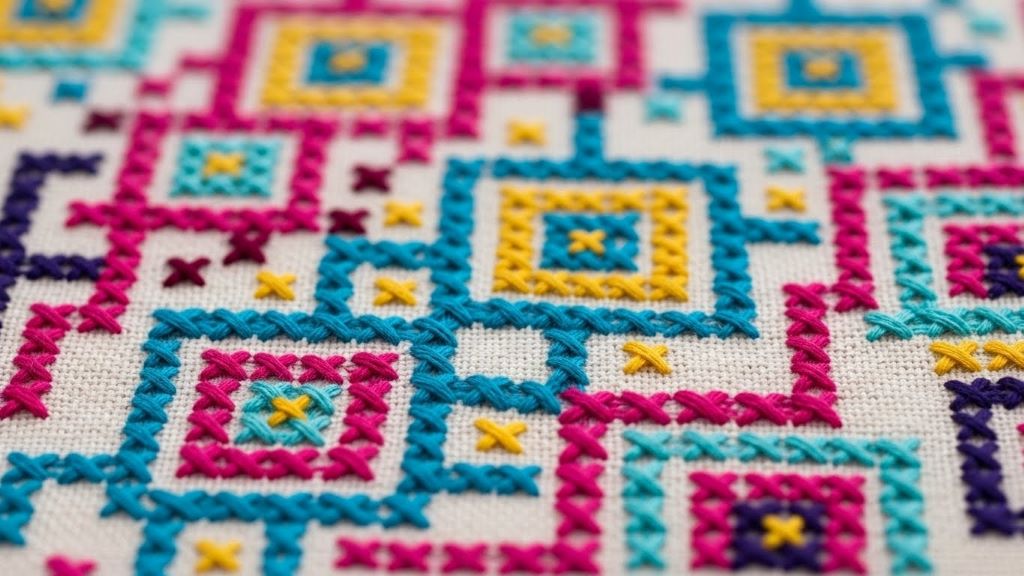
Cross-stitch embroidery from Chiapas offers another popular option. This technique creates bold, geometric patterns in contrasting colors. Designers often use these patterns on shirt collars, cuffs, and hemlines. The structured designs complement modern minimalist aesthetics.
The intricate floral embroidery from Oaxaca remains highly sought after. Artisans create elaborate flower arrangements using vibrant silk threads. These designs transform plain cotton or linen into statement pieces. Moreover, the dimensional quality of raised embroidery adds texture to flat fabrics.
Incorporating Mexican Embroidery into Your Wardrobe
Adding embroidered Mexican pieces to your wardrobe is easier than you might think. Start with simple accessories if you prefer subtle style. An embroidered clutch or tote bag introduces color without overwhelming your outfit. Alternatively, embroidered scarves provide versatile styling options.
For those ready to make bolder statements, consider embroidered tops. A white cotton blouse with colorful neckline embroidery pairs well with jeans. Additionally, embroidered denim jackets offer a fresh take on classic pieces. These items blend seamlessly with existing wardrobe staples.
Dresses featuring Mexican embroidery work for various occasions. A simple shift dress with embroidered details suits both casual and dressy events. However, balance is key when styling embroidered garments. Let the embroidery be the focal point by keeping other elements simple.
Supporting Artisan Communities Through Fashion Choices
Purchasing hand-embroidered Mexican fabrics supports traditional artisan communities. Many rural Mexican villages depend on textile crafts for income. When you buy authentic pieces, you directly support these craftspeople. Therefore, your fashion choices can make meaningful economic impacts.
According to Smithsonian Magazine, preserving traditional crafts helps maintain cultural identity in indigenous communities. Fair trade practices ensure artisans receive appropriate compensation for their work. Many ethical fashion brands now partner directly with Mexican cooperatives. These partnerships provide steady income while preserving cultural heritage.
However, be cautious about cultural appropriation versus appreciation. Purchase from brands that work directly with Mexican artisans or cooperatives. Avoid mass-produced imitations that exploit traditional designs without compensating creators. Authentic pieces come with information about the artisans and communities behind them.
Caring for Hand-Embroidered Mexican Garments
Proper care ensures your embroidered pieces last for years. Hand-embroidered fabrics require gentler treatment than regular clothing. Always check care labels before washing. Most pieces benefit from hand washing in cold water.
Use mild detergent without harsh chemicals or bleach. These products can damage delicate threads and fade colors. Gently squeeze water through the fabric rather than wringing or twisting. Additionally, avoid harsh scrubbing that might loosen embroidery stitches.
Air drying works best for embroidered garments. Lay items flat on clean towels away from direct sunlight. This method prevents stretching and color fading. Furthermore, never use a clothes dryer for hand-embroidered pieces. The heat and tumbling can damage intricate threadwork.
Iron embroidered items inside out on low heat settings. Place a pressing cloth between the iron and fabric for extra protection. This technique prevents threads from becoming shiny or flattened. Store embroidered garments in breathable fabric bags rather than plastic.
The Environmental Benefits of Hand-Embroidered Textiles
Hand-embroidered Mexican fabrics offer environmental advantages over fast fashion alternatives. Traditional embroidery uses minimal electricity or machinery. Artisans work with natural fibers like cotton and wool. These materials are biodegradable and renewable.
The slow fashion movement embraces hand-embroidered textiles for good reason. These pieces are made to last, reducing the need for frequent replacements. Moreover, the timeless designs don’t follow fleeting trends. Therefore, embroidered garments remain stylish season after season.
Small-scale production generates less waste than industrial manufacturing. Artisans typically create pieces on demand rather than producing excess inventory. This approach prevents the massive textile waste plaguing the fashion industry. National Geographic has reported extensively on how traditional crafts often prove more sustainable than modern manufacturing methods.
Finding Authentic Hand-Embroidered Mexican Fabrics
Locating genuine hand-embroidered pieces requires some research. Look for retailers that provide information about their artisan partners. Reputable sellers share stories about the communities creating their products. They also explain the techniques and cultural significance behind each design.
Fair trade certifications indicate ethical sourcing practices. Organizations like the World Fair Trade Organization verify that artisans receive fair compensation. Additionally, many Mexican cultural centers and museums have gift shops featuring authentic crafts.
Online marketplaces connect buyers directly with Mexican artisans. However, verify seller authenticity before purchasing. Read reviews and look for detailed product descriptions. Authentic pieces show slight variations that prove handmade origins.
Visiting Mexico provides opportunities to purchase directly from artisans. Markets in Oaxaca, Chiapas, and Hidalgo showcase regional embroidery styles. Buying directly ensures your money reaches the creators. Furthermore, you can learn about the techniques and traditions firsthand.
Modern Designers Championing Mexican Embroidery
Several contemporary designers have built brands around Mexican embroidery traditions. These designers collaborate with artisan communities to create modern collections. Their work introduces traditional crafts to global audiences while preserving cultural heritage.
Some designers reinterpret traditional patterns for contemporary silhouettes. Others use authentic pieces as focal points in modern designs. This fusion respects tradition while making it accessible to new generations. Additionally, these collaborations provide sustainable income for artisan communities.
Fashion weeks increasingly feature collections incorporating traditional Mexican embroidery. This visibility raises awareness about artisan crafts and cultural preservation. Moreover, celebrity endorsements have brought hand-embroidered Mexican fashion into mainstream consciousness.
Conclusion
Hand-embroidered Mexican fabrics bring cultural richness and artisan craftsmanship to modern clothing. These textiles connect wearers to centuries of tradition while supporting contemporary artisan communities. By choosing authentic hand-embroidered pieces, you invest in quality, sustainability, and cultural preservation. The vibrant colors and intricate patterns add unique character to any wardrobe. Furthermore, each purchase directly supports the skilled artisans keeping these traditions alive. Whether you start with small accessories or bold statement pieces, hand-embroidered Mexican fabrics offer timeless style with meaningful impact.
Frequently Asked Questions
What makes hand-embroidered Mexican fabrics different from machine embroidery?
Hand-embroidered fabrics feature unique variations in each stitch, creating one-of-a-kind pieces. The work shows human touch through slight irregularities that add character. Machine embroidery produces identical, uniform patterns without the dimensional quality of handwork. Additionally, traditional techniques often use natural materials and methods passed down through generations.
How can I tell if Mexican embroidery is authentic?
Authentic pieces show slight variations and imperfections that prove handmade origins. Look for uneven stitches, color variations, and dimensional threadwork. Reputable sellers provide information about the artisans and communities behind each piece. Furthermore, authentic items typically cost more due to the time and skill required.
Are hand-embroidered Mexican garments durable enough for regular wear?
Yes, hand-embroidered pieces are extremely durable when properly cared for. Traditional embroidery techniques create strong, long-lasting stitchwork. Many embroidered garments become family heirlooms passed down through generations. However, they require gentler care than mass-produced clothing to maintain their beauty.
How do I style embroidered Mexican pieces without looking costume-like?
Keep the rest of your outfit simple when wearing embroidered pieces. Let the embroidery be your statement element. Pair embroidered tops with solid-colored bottoms in neutral tones. Additionally, mixing embroidered pieces with modern basics creates balanced, contemporary looks.
What is a fair price for hand-embroidered Mexican clothing?
Prices vary based on size, complexity, and materials used. Small embroidered items like coin purses might cost twenty to fifty dollars. Blouses with extensive embroidery typically range from eighty to two hundred dollars. Elaborate dresses or jackets can exceed three hundred dollars. Remember that fair prices reflect the hours of skilled labor involved.
Related Topics:
Weaving the Future: How Bio-fabricated Textile Innovations are Reshaping Fashion