
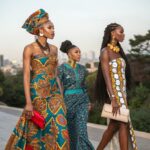
Africa’s fashion, a continent pulsating with life, color, and cultural richness, offers a kaleidoscope of fashion styles that captivate the world. Beyond mere garments, African fashion is a powerful expression of heritage, identity, and artistic innovation. For ladies seeking unique, empowering, and visually stunning attire, the diverse styles originating from this vast continent provide an endless source of inspiration. This article delves into the intricacies of African fashion, exploring its historical roots, contemporary trends, and the cultural significance behind each exquisite piece.
The Historical Canvas: Weaving Tradition into Modernity
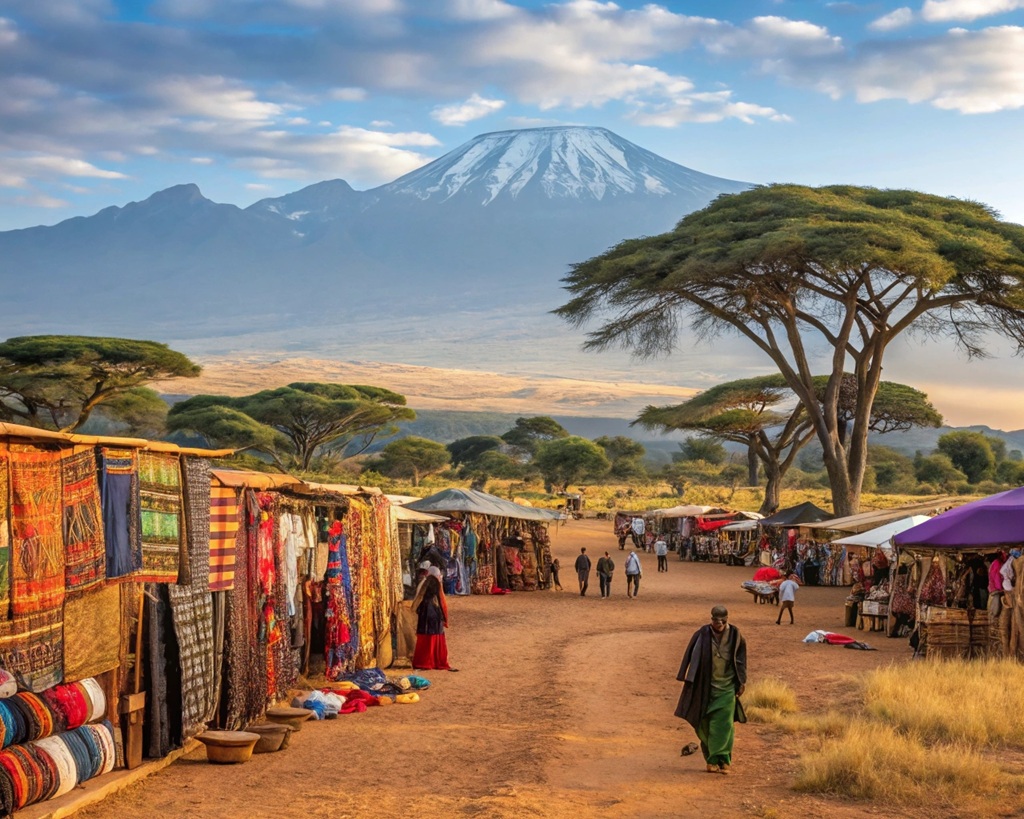
African fashion’s roots run deep, intertwined with the continent’s history and diverse ethnic groups. Traditional textiles and garments were often crafted with natural fibers, dyes extracted from plants and minerals, and intricate patterns that held symbolic meaning. These patterns, often passed down through generations, told stories of lineage, social status, and cultural beliefs. From the vibrant Kente cloth of Ghana, woven with silk and cotton into complex geometric designs, to the indigo-dyed Adire textiles of Nigeria, each fabric carries a unique narrative. The evolution of African fashion reflects the continent’s journey through colonialism, independence, and globalization. While preserving traditional techniques, contemporary designers are seamlessly blending them with modern silhouettes and global influences, creating a dynamic fusion that resonates with a global audience.
A Symphony of Colors: Exploring the Spectrum of African Textiles
The use of color in African fashion is nothing short of breathtaking. From the bold reds and oranges that symbolize power and celebration to the calming blues and greens that represent peace and harmony, each hue carries a specific meaning. The rich, earthy tones of natural dyes are juxtaposed with the vibrant, synthetic colors that have become increasingly popular in modern designs.
This interplay of colors creates a visual feast, reflecting the diverse landscapes and cultural expressions found across the continent. Fabrics like Ankara (African wax print), known for its bold patterns and vibrant colors, have become synonymous with African style. These cotton fabrics, originally inspired by Indonesian batik, have been adopted and transformed by African artisans, becoming a powerful symbol of African identity.
Other notable textiles include Kitenge, a versatile fabric often used for wrap skirts and head wraps, and Aso Oke, a handwoven cloth traditionally worn by the Yoruba people of Nigeria for special occasions.
Silhouettes and Styles: Embracing Diverse Forms and Functions
African fashion offers a wide range of silhouettes and styles, each tailored to specific cultural contexts and personal preferences. From flowing gowns and elegant boubous to tailored suits and contemporary streetwear, there’s a style for every occasion. The boubou, a loose-fitting, flowing robe, is a staple in many West African countries, offering both comfort and elegance. The kaftan, another popular style, is a long, flowing garment that can be worn casually or dressed up for formal events. The modern adaptation of traditional styles sees designers creating form-fitting dresses, jumpsuits, and skirts that accentuate the female form while maintaining the essence of African aesthetics. Head wraps, or gele, are an essential accessory in many African cultures, serving both practical and decorative purposes. They are often intricately tied and embellished, adding a touch of regal elegance to any outfit.
The Power of Embellishments: Adding Texture and Depth
Embellishments play a crucial role in African fashion, adding texture, depth, and a touch of opulence to garments. Beads, shells, embroidery, and sequins are used to create intricate patterns and motifs that reflect cultural traditions and personal style. Beadwork, in particular, is a highly skilled art form, with each bead and color carrying symbolic meaning. In many cultures, beaded jewelry and garments are reserved for special occasions and ceremonies, signifying status and prestige. Embroidery, another popular embellishment technique, allows for the creation of intricate designs and patterns that tell stories and convey messages. Sequins and other metallic embellishments add a touch of glamour and sparkle, making garments perfect for festive occasions and celebrations.
Contemporary Trends: A Global Dialogue
African fashion is not static; it’s constantly evolving, influenced by global trends and the creativity of contemporary designers. African designers are making waves on the international stage, showcasing their talent and unique perspectives in fashion weeks and exhibitions around the world. They are embracing sustainability, using eco-friendly materials and ethical production practices. They are also incorporating technology into their designs, creating innovative textiles and wearable technology. The rise of social media has played a significant role in promoting African fashion globally, allowing designers to connect with a wider audience and showcase their work. Street style, with its focus on individuality and self-expression, has also contributed to the popularization of African-inspired designs.
Cultural Significance: Beyond Aesthetics
African fashion is more than just clothing; it’s a powerful expression of cultural identity and heritage. Each garment, textile, and embellishment carries symbolic meaning, reflecting the values, beliefs, and traditions of the people who create and wear them. For many, wearing African fashion is a way to connect with their roots, celebrate their culture, and express their pride. It’s also a way to challenge stereotypes and promote a more nuanced understanding of African cultures. African fashion empowers women, allowing them to express their individuality and celebrate their beauty. It’s a testament to the creativity, resilience, and artistry of African people.
Unveiling the Magnificence of Traditional African Attire
Specific Styles to Explore:
- Ankara/African Wax Print: Versatile, bold, and colorful, perfect for dresses, skirts, tops, and accessories.
- Kente Cloth: Woven with intricate patterns and vibrant colors, symbolizing prestige and cultural heritage.
- Aso Oke: Handwoven fabric used for special occasions, known for its intricate designs and luxurious feel.
- Kitenge: Versatile fabric used for wrap skirts, head wraps, and other garments, often featuring bold patterns and colors.
- Boubou: Loose-fitting, flowing robe, offering comfort and elegance.
- Kaftan: Long, flowing garment, suitable for both casual and formal occasions.
- Adire: Indigo-dyed textile with intricate patterns, reflecting Yoruba traditions.
- Shweshwe: Printed cotton fabric from South Africa, known for its geometric patterns and indigo blue color.
- Isiagu: Igbo traditional attire, often featuring lion head prints and worn for chieftaincy titles and special events.
Read More Also: 7 Unique Ways to Style a White Jean Jacket That Will Elevate Your Look
People Also Ask (FAQs):
-
What are the most popular African fabrics?
- Ankara, Kente, Aso Oke, Kitenge, Adire, and Shweshwe are among the most popular.
-
How can I incorporate African fashion into my wardrobe?
- Start with accessories like head wraps or earrings, then add statement pieces like Ankara dresses or skirts.
-
Where can I buy authentic African clothing?
- Look for reputable online retailers specializing in African fashion, or support local African designers and markets.
-
What is the significance of Ankara fabric?
- Ankara is a cotton fabric with vibrant wax print designs. It symbolizes African identity, creativity, and cultural pride.
-
Are African fashion styles suitable for all body types?
- Yes, African fashion offers a wide range of styles and silhouettes that flatter all body types.
-
What are the latest African fashion trends?
- Current trends include sustainable fashion, fusion of traditional and modern styles, and incorporation of technology.
-
What is the meaning of Kente cloth?
- Kente cloth, originating from Ghana, is a royal and sacred cloth traditionally worn by Akan royalty. Each pattern and color has symbolic meaning, representing history, philosophy, and cultural values.
Read More Also: Are Button Down Dress Shirts in Style? 7 Reasons Why They Are Timeless
Conclusion:
African fashion is a vibrant and dynamic expression of culture, creativity, and identity. It offers a rich tapestry of styles, textiles, and embellishments that empower women and celebrate the beauty of African heritage. By embracing African fashion, ladies can add a touch of unique elegance and cultural significance to their wardrobes. As the world becomes increasingly interconnected, African fashion continues to inspire and influence global trends, showcasing the immense talent and creativity of the continent. It’s a powerful reminder that fashion is not just about aesthetics; it’s about storytelling, cultural preservation, and celebrating the diversity of human expression.
Read More:
Decoding Kristin Cavallari’s Timeless Fashion Style
Double-Breasted Suits: Style Guide, Trends, Fit & When to Wear