
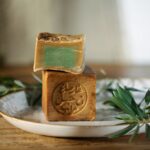
Aleppo soap, a time-honored cleansing bar crafted from olive oil and laurel berry oil, has garnered a devoted following for its purported natural and gentle properties. Originating from the ancient city of Aleppo in Syria, this soap boasts a minimalist ingredient list and a rich history. However, like any skincare product, it’s essential to understand the potential side effects alongside its lauded benefits. This article delves into the nuances of Aleppo soap, addressing common concerns and providing a comprehensive guide to its usage.
Understanding Aleppo Soap: A Natural Cleanser with a Rich Heritage
Aleppo soap’s simplicity is its hallmark. Traditionally, it’s made with a precise ratio of olive oil and laurel berry oil, cooked in large vats, and then cured for several months. Olive oil provides moisturizing properties, while laurel berry oil is believed to possess antiseptic and anti-inflammatory qualities. The percentage of laurel berry oil varies, influencing the soap’s potency and intended use. Higher concentrations are often recommended for treating skin conditions, while lower concentrations are suitable for daily cleansing.
This natural composition is what draws many to Aleppo soap, particularly those seeking to avoid harsh chemicals and synthetic fragrances. The soap’s reputation for being gentle and suitable for sensitive skin has contributed to its widespread appeal. However, it’s crucial to remember that “natural” doesn’t automatically equate to “allergy-free” or “side-effect-free.”
Potential Side Effects of Aleppo Soap: Navigating the Nuances
While celebrated for its natural ingredients, Aleppo soap can still cause side effects in some individuals. These reactions often stem from the specific properties of olive oil and laurel berry oil, as well as the soap’s inherent alkalinity.
-
Dryness and Irritation:
- Paragraph Detail: Olive oil, while moisturizing, can sometimes lead to dryness, especially in individuals with already dry or compromised skin barriers. This is often exacerbated when the soap has a higher concentration of laurel berry oil, which, despite its antiseptic properties, can be astringent. The soap’s natural pH, which tends to be alkaline, can also disrupt the skin’s acidic mantle, leading to dryness, tightness, and irritation. Individuals with eczema or psoriasis may experience a flare-up of their symptoms. The symptoms of dryness include flaky skin, redness, and itchiness. In initial use, some experience a “purging” effect where the skin releases built up toxins; however, prolonged dryness indicates a negative reaction. It is vital to moisturize after usage.
-
Allergic Reactions:
- Paragraph Detail: Although rare, allergies to olive oil or laurel berry oil can occur. Symptoms may include redness, itching, swelling, or hives. Contact dermatitis, an inflammatory skin reaction, can also develop. Patch testing a small area of skin before widespread use is crucial, especially for individuals with known sensitivities. Laurel berry oil, while beneficial, contains compounds that some individuals may react to. These allergic reactions can manifest immediately or develop over time with repeated exposure. If any signs of an allergic reaction occur, discontinue use immediately and consult a dermatologist.
-
Acne and Breakouts:
- Paragraph Detail: Paradoxically, while Aleppo soap is often recommended for acne-prone skin, it can sometimes trigger breakouts. Olive oil, although generally non-comedogenic, can still clog pores in some individuals, particularly those with oily or acne-prone skin. The soap’s thicker consistency might also contribute to pore blockage if not rinsed thoroughly. The balance of oils in the soap is crucial. If the ratio of olive oil is too high, it can lead to clogged pores, especially when combined with the skin’s natural sebum.
Related: Is Prai Skincare Good? A Comprehensive Review
Oily Residue:
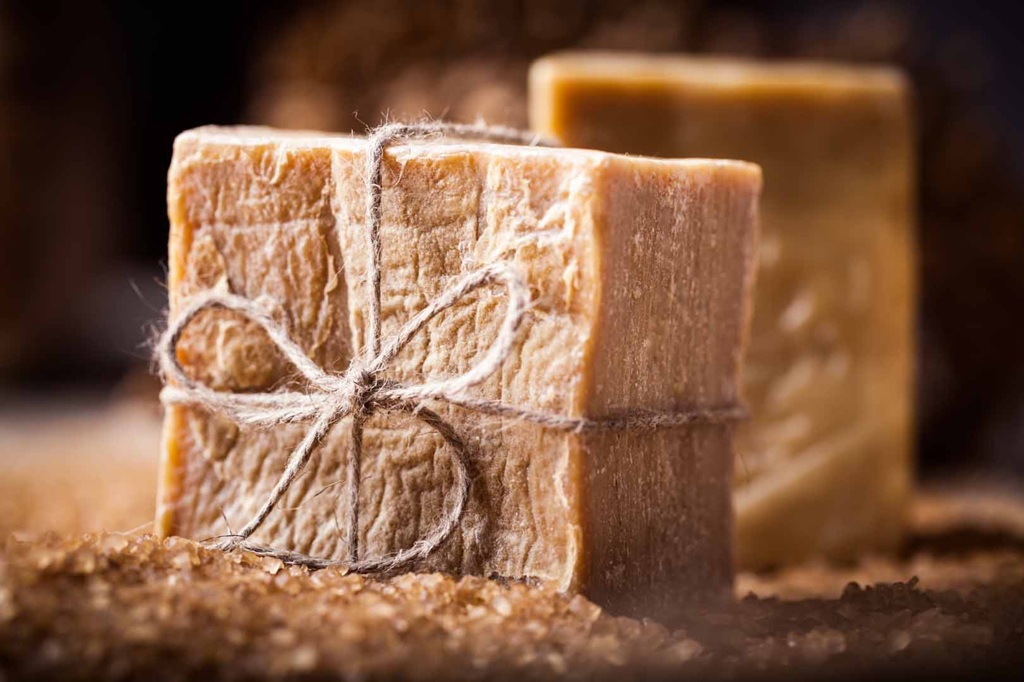
- Paragraph Detail: Due to its olive oil content, Aleppo soap can leave an oily residue on the skin, especially if not rinsed thoroughly. This residue can be problematic for individuals with oily skin, leading to a greasy feeling and potential pore blockage. The natural oils in the soap, while beneficial for some, might not be suitable for everyone’s skin type. A thorough rinse is essential to minimize this effect.
-
Eye Irritation:
- Paragraph Detail: Contact with the eyes can cause stinging and irritation due to the soap’s alkalinity and the presence of laurel berry oil. It’s crucial to avoid getting the soap in your eyes and to rinse thoroughly if accidental contact occurs. The natural saponification process results in a higher PH, which can be irritating to the sensitive eye area.
People Also Ask: Addressing Common Concerns
Q: Can Aleppo soap cure eczema?
- A: While some individuals with eczema find relief using Aleppo soap, it’s not a cure. The soap’s natural ingredients may help soothe inflammation and dryness, but it’s essential to consult a dermatologist for proper diagnosis and treatment.
Q: Is Aleppo soap suitable for sensitive skin?
- A: Aleppo soap can be suitable for some individuals with sensitive skin, but it’s crucial to perform a patch test first. The soap’s natural composition may be gentler than synthetic cleansers, but individual reactions can vary.
Q: Can Aleppo soap be used on hair?
- A: Yes, Aleppo soap can be used on hair, but it may leave a residue, especially on fine or oily hair. An apple cider vinegar rinse can help restore the hair’s pH balance.
Q: How do I know if I’m allergic to Aleppo soap?
- A: Signs of an allergic reaction include redness, itching, swelling, or hives. If you experience any of these symptoms, discontinue use immediately.
Q: What is the ideal percentage of laurel berry oil in Aleppo soap?
- A: The ideal percentage depends on individual needs. Lower concentrations (around 5-20%) are suitable for daily cleansing, while higher concentrations (30% or more) are often recommended for treating skin conditions.
Q: Can Aleppo soap help with acne?
- A: It may help some, due to laurel berry oil’s antiseptic properties. However, olive oil can clog pores in some people. Experiment with a small patch of skin first.
Q: How do I store Aleppo soap?
- A: Store Aleppo soap in a cool, dry place to prevent it from becoming mushy. Allowing it to dry between uses is important.
Q: Can Aleppo soap be used on babies?
- A: While some parents use it on babies, it’s crucial to consult a pediatrician first. Babies’ skin is delicate, and reactions can vary.
Q: Does Aleppo soap have a strong smell?
- A: The smell of Aleppo soap is earthy and herbal, derived from the laurel berry oil. Some find it pleasant, while others may find it strong.
Q: How long does Aleppo soap last?
- A: Aleppo soap, due to its curing process, is very hard, and can last a very long time, provided it is properly stored.
Related: Is Prai Skincare Good? Discover the Truth Behind the Brand’s Claims
Conclusion: Navigating the Benefits and Potential Drawbacks
Aleppo soap, with its rich history and natural composition, offers a unique cleansing experience. While many individuals experience positive results, it’s essential to be aware of the potential side effects. Dryness, irritation, allergic reactions, breakouts, and oily residue are possible, particularly for those with sensitive skin or specific skin conditions.
Before incorporating Aleppo soap into your skincare routine, consider your skin type and any existing sensitivities. Patch testing is crucial to identify potential allergies or adverse reactions. If you experience any persistent side effects, discontinue use and consult a dermatologist.
Ultimately, Aleppo soap’s suitability varies from person to person. By understanding its potential benefits and drawbacks, you can make an informed decision about whether this ancient cleansing bar is right for you. Remember that “natural” doesn’t mean “universally suitable,” and careful observation is key to a healthy skincare routine.