

You’re looking in the mirror, and something doesn’t feel right. Maybe you’re noticing more hair in your shower drain, a wider part, or a sparser hairline. You’re not alone, and more importantly, you don’t have to accept it. The question isn’t whether you can fix thinning hair 2026 it’s about finding the right approach tailored to your life, your budget, and the latest science. This guide strips away the hype, the fear-mongering, and the miracle promises to give you a clear, actionable roadmap. Whether you’re a man, woman, or someone just starting their journey, you’ll leave with a plan you can trust.
What Actually Causes Thinning Hair in 2026?
Understanding the Root of the Problem
Thinning hair isn’t a single condition—it’s a symptom. In 2026, we understand that the causes are more interconnected than ever. The primary driver is often genetic (androgenetic alopecia), affecting roughly 50 million men and 30 million women in the U.S. alone. However, modern stressors like chronic screen time, poor sleep, and environmental pollutants are accelerating hair thinning at younger ages.
Common Triggers You Might Be Overlooking
- Hormonal shifts: Postpartum, menopause, or thyroid imbalances can trigger shedding.
- Nutritional gaps: Low iron, vitamin D, and zinc are silent saboteurs.
- Scalp inflammation: Seborrheic dermatitis or product buildup suffocates follicles.
- Stress (telogen effluvium): After a major life event, hair can stop growing for months.
- Overstyling damage: Heat, bleach, and tight hairstyles break hair at the shaft.
Identifying your specific trigger is the first actionable step. A simple blood test and a scalp check with a dermatologist can eliminate guesswork.
Why Are Traditional Hair Loss Treatments Losing Popularity?
Side Effects and Compliance Issues
Minoxidil and finasteride still work, but they aren’t for everyone. Minoxidil can cause scalp irritation or unwanted facial hair growth in women. Finasteride carries rare but significant sexual side effects in men. In 2026, people are seeking smarter, less invasive alternatives that fit their lifestyle.
The Shift Toward Holistic and Preventive Care
Rather than waiting for significant loss, experts now emphasize prevention. Once a follicle is gone, it’s gone. That means early intervention—using serums, low-level laser therapy, and dietary changes—before thinning becomes visually obvious. This proactive mindset is replacing the old reactive approach.
How Can You Effectively Fix Thinning Hair in 2026?
Step 1: Diagnose Before You Treat
Don’t buy a shampoo because a social media influencer told you to. Book a consultation with a dermatologist or a trichologist. They can perform a scalp biopsy or a blood test to determine if your thinning is due to genetics, hormones, or deficiency. This step alone can save you months of wasted effort.
Step 2: Build a Scalp-First Routine
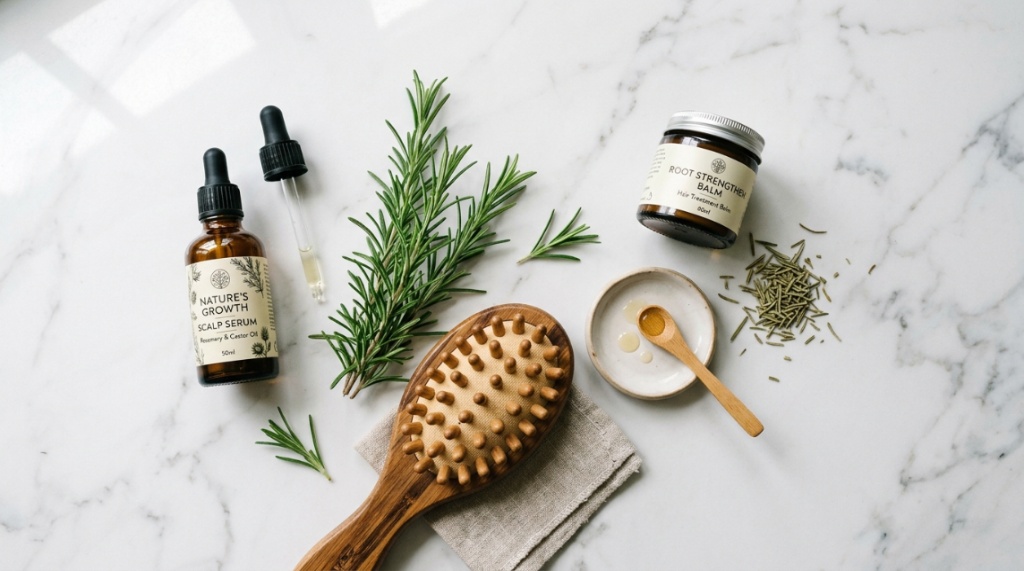
Your hair grows from your scalp, so treating the soil is more important than treating the plant. Wash your scalp daily with a gentle, sulfate-free shampoo if you’re oily, or every other day if you’re dry. Invest in a scalp massager to boost circulation. Use a leave-on serum containing ingredients like redensyl, capixyl, or procapil—these are evidence-based alternatives for those who want to fix thinning hair 2026 without harsh chemicals.
Step 3: Optimize Your Nutrition
Your hair needs protein, iron, and healthy fats. In 2026, supplement trends are shifting toward personalized nutrition—not random multivitamins. A smart strategy is to test your vitamin D, ferritin, and zinc levels. If they’re low, supplementing can bring noticeable regrowth within 3–6 months. Add omega-3s from fish or flaxseed to reduce scalp inflammation.
Step 4: Try Low-Level Laser Therapy
LLLT is no longer a gimmick. FDA-cleared laser caps and combs stimulate blood flow to follicles, increasing hair density over six months. Best results come from consistent use—three sessions per week for 15 minutes each. No pain, no side effects, just a quiet hum while you scroll your phone.
Which Ingredients Actually Work in 2026?
Topical Peptides and Growth Factors
Peptides like copper peptide (GHK-Cu) and growth factors from stem cell extracts are the new frontier. They communicate with hair follicle cells to extend the growing phase. These are available in serums and are especially effective for early-stage thinning.
Nutraceuticals (Oral Alternatives)
Oral supplements containing saw palmetto, ashwagandha, and marine collagen are gaining traction. Saw palmetto blocks DHT naturally, making it a gentler alternative to finasteride. Ashwagandha lowers cortisol, which helps stop stress-induced shedding.
What to Avoid
- Silicones and waxes: They coat hair, giving false volume but suffocating follicles.
- Sulfates: Strip natural oils and disrupt the scalp microbiome.
- High-heat styling: Above 180°C breaks the hair cuticle irreversibly.
When Should You Expect Results from Your Regimen?
The Realistic Timeline
Hair grows about half an inch per month. Visible improvement in density usually takes 6 to 9 months of consistent effort. You may notice less shedding first—that’s a win. After three months, new vellus hairs (thin, baby-like) appear, gradually thickening over the next year.
Signs of Progress
- Month 1–2: Less hair in the shower drain.
- Month 3–4: Small, fine new hairs along hairline or crown.
- Month 6–9: Visible improvement in part width and overall density.
Patience is essential. If you see no change after six months, revisit your diagnosis with a professional.
Can Stress Really Cause Permanent Thinning?
Telogen Effluvium vs. Chronic Thinning
Yes, chronic stress can lead to long-term thinning if left unmanaged. Telogen effluvium grabs about 30% of your hair into a resting phase, leading to visible shedding 2–3 months after a stressful event. It’s usually reversible, but repeated bouts can shorten your hair growth cycles permanently. Achieving thicker hair isn’t just about topical treatments—it requires a holistic daily regimen. For inspiration on how to elevate your daily maintenance, check out these Celebrity Hair Care Routines You Can Actually Afford to build a cost-effective, star-worthy routine.
Stress Management as a Hair Care Tool
Incorporate daily mindfulness or breathwork—even five minutes a day lowers cortisol. Sleep quality matters too: aim for 7 hours in a cool, dark room. Your hair follicles have circadian rhythms; they need rest to regenerate.
Is There a Difference Between Thinning Hair and Hair Loss?
Thinning Hair (Miniaturization)
This occurs when hair shafts gradually become finer and shorter due to hormone sensitivity. You might see a wider part or less density overall, but the hair is still there. This is the stage where intervention has the highest success rate.
Hair Loss (Shedding or Balding)
This refers to hair actively falling out or patches where no hair exists. If you see smooth, shiny patches (alopecia areata) or a completely bare crown, you need professional treatment beyond topical serums. Thinning is reversible; baldness is much harder to reverse.
Which Lifestyle Changes Make the Biggest Difference?
Sleep and Circadian Alignment
Hair cells repair and regenerate during deep sleep. Going to bed by 10:30 PM and sleeping in complete darkness supports melatonin production, which is not just for sleep—it also protects hair follicles from oxidative stress.
Exercise and Circulation
Moderate aerobic exercise (30 minutes, 4 times a week) boosts blood flow to the scalp naturally. Avoid extreme endurance training, which can elevate cortisol. Yoga inversions (head below heart) bring fresh blood to the crown instantly.
Scalp Hygiene Upgrade
Wash your pillowcases weekly in hot water. Use a clarifying shampoo once a month to remove product residue. Avoid air pollution by wearing a hat on smoggy days or using a micellar water spray on your scalp after being outdoors.
Frequently Asked Questions
At what age does thinning hair start?
Thinning can start as early as the late teens or early 20s, especially in those with a strong family history. For most, noticeable thinning begins in the 30s for men and around menopause for women.
Can hair thinning be reversed naturally?
Yes, if caught early. Addressing nutritional deficiencies, reducing stress, and using targeted scalp serums can reverse thinning in many cases. However, complete baldness usually requires medical intervention.
How often should I wash thinning hair?
Wash every 24–48 hours if you have oily scalp, or every 2–3 days if you have dry scalp. A clean scalp allows growth products to absorb better. Skipping washes allows DHT and sebum to build up and clog follicles.
Are hair growth shampoos effective?
Most hair growth shampoos don’t stay on the scalp long enough to deliver active ingredients effectively. Look for shampoos that remove buildup and DHT (like those with ketoconazole) instead of promising regrowth in two minutes.
Should I take biotin for thinning hair?
Biotin helps only if you are deficient, which is rare. Over the counter, many people waste money on high-dose biotin. Focus instead on iron, vitamin D, and zinc, which are more commonly linked to hair loss.
Can coloring or bleaching cause permanent thinning?
Bleach damages the hair shaft, not the follicle, so hair will regrow. However, if you develop scalp burns or allergic reactions, scarring can damage follicles permanently. Always patch test and avoid over-processing.
Is it safe to use minoxidil long-term?
Yes, for most people. Minoxidil is safe for long-term use, but its effectiveness may wane after 2–5 years in some users. You must continue use to maintain results; stopping it will reverse growth within a few months.
Conclusion: Your Path to Thicker Hair Starts Today
Fixing thinning hair in 2026 isn’t about finding a magic pill—it’s about consistency, smart choices, and early action. You now have a clear blueprint: diagnose your cause, feed your scalp, choose evidence-based products, and be patient. Remember, every follicle has a cycle, and you can influence that cycle for the better. Don’t wait until the thinning is advanced. Start with one small change today—whether it’s switching your shampoo, adding a scalp serum, or booking a dermatologist appointment. The best time to address your hair was yesterday. The second best time is right now.