
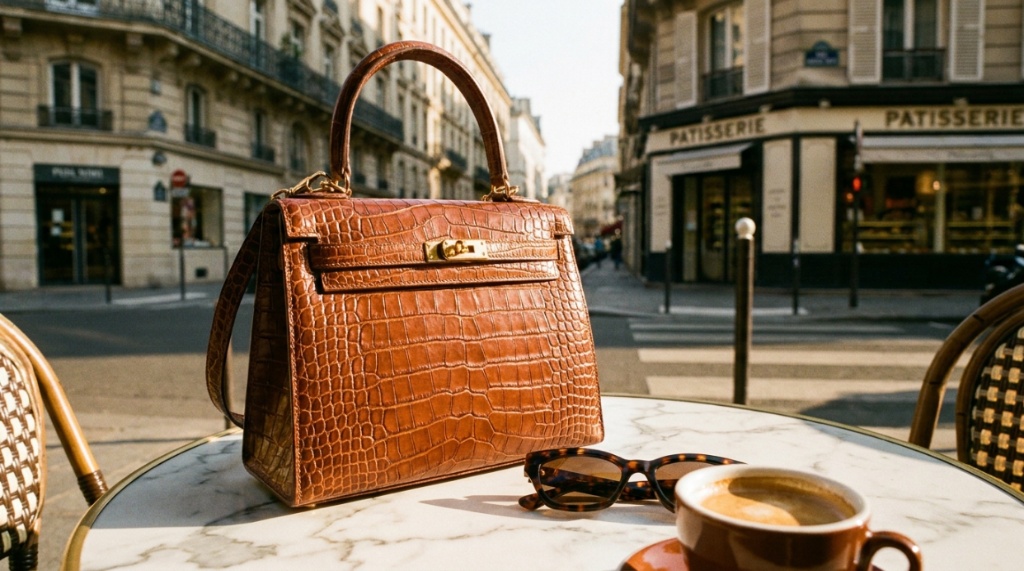
A stylist once told me that the fastest way to make a $50 outfit look like a $500 outfit is to carry a well-chosen top handle bag — and after years of watching women transform their entire presence with a single accessory, I believe her completely. The top handle bags category occupies a unique space in fashion: structured enough to convey authority, compact enough for daily carry, and timeless enough to justify investment pricing. Unlike trend-driven clutches or oversized totes that cycle in and out of relevance every season, everyday luxury bags with top handles have maintained their position as the definitive “polished woman” accessory since the 1950s — a six-decade track record no other bag style can match. But choosing the right one requires navigating an overwhelming market where price tags range from $200 to $20,000 and quality varies just as dramatically. This guide identifies exactly what separates a genuinely luxurious daily-carry top handle bag from one that simply looks expensive in photos.
What Defines a Top Handle Bag and Why Is It Considered Timeless?
A top handle bag features one or two rigid handles mounted on the top of a structured frame, designed to be carried in-hand or at the elbow — a silhouette that has defined elegance since Grace Kelly made the Hermès Kelly bag iconic in 1956, remaining unchanged in its fundamental appeal across seven decades of shifting fashion.
Defining characteristics:
- Structured silhouette: Maintains its shape whether full or empty — unlike soft slouchy bags that collapse. This architectural quality conveys intentionality and precision.
- Top-mounted handles: One or two rigid handles that allow in-hand carry (formal) or elbow carry (casual-elegant). The carry position naturally elevates posture.
- Proportioned dimensions: Typically 8–12 inches wide, 6–9 inches tall, 4–6 inches deep. Large enough for essentials without becoming cumbersome.
- Closure system: Usually a flap with turn-lock, zipper, or clasp. The closure contributes to the “finished” appearance that distinguishes structured bags from open totes.
- Hardware accents: Feet, locks, and handle mounts in metal (gold, silver, or brushed finishes) that serve functional and decorative purposes.
Why this style endures: the top handle silhouette solves a permanent problem — how to carry essentials while looking intentionally polished rather than casually burdened. Fashion trends change the colors, materials, and details, but the core proposition (structured elegance in portable form) remains permanently relevant.
What Size Top Handle Bag Works Best for Daily Use?
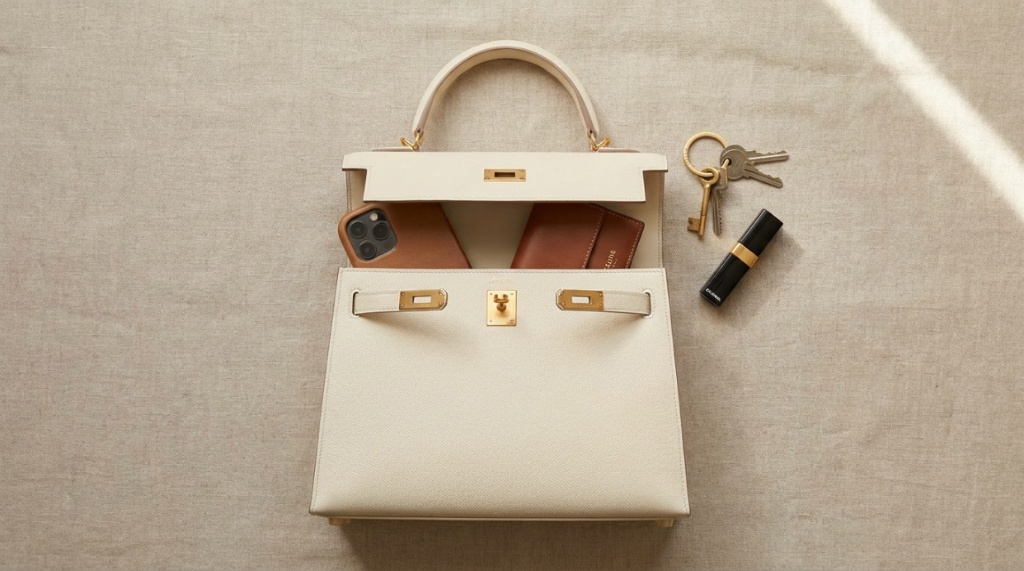
A medium top handle bag measuring 9–11 inches wide, 7–8 inches tall, and 4–5 inches deep provides the optimal balance between carrying capacity (fits phone, wallet, keys, sunglasses, and small essentials) and visual proportion (does not overwhelm your frame or drag down your silhouette).
Size guide by lifestyle:
| Size Category | Dimensions (W×H×D) | Fits Inside | Best For |
|---|---|---|---|
| Mini/Small | 7–8 × 5–6 × 3–4 inches | Phone, card case, lipstick, keys | Evening events, minimal carry days, petite frames |
| Medium (optimal daily) | 9–11 × 7–8 × 4–5 inches | Phone, full wallet, keys, sunglasses, small cosmetics pouch | Work meetings, errands, lunch dates, daily commute |
| Large | 12–14 × 9–10 × 5–6 inches | Above + small tablet, notebook, water bottle | Work days requiring documents, travel carry-on, taller frames |
Body proportion matters: petite frames (under 5’4″) look best with small-to-medium sizes. Average frames (5’4″–5’7″) wear medium sizes proportionally. Taller frames (5’8″+) can carry medium-to-large without the bag looking diminutive. The bag should complement your body — not compete with it or disappear against it.
What Leather Quality Indicates a Genuinely Luxury Top Handle Bag?
Full-grain leather with visible natural texture, consistent color depth, supple hand-feel that improves with age, and clean-finished edges (not painted or bonded) — these four indicators distinguish investment-quality leather from cosmetically similar but structurally inferior alternatives.
Leather quality hierarchy:
- Full-grain (highest): The outermost layer of the hide with natural grain intact. Shows subtle texture variations, natural marks, and develops a patina with use. Strongest, most durable, and most expensive. Used by Hermès, Bottega Veneta, Loewe.
- Top-grain (high): Full-grain with the surface lightly sanded to remove imperfections, then refinished. Uniform appearance, good durability, slightly less character development over time. Used by Coach, Kate Spade, Michael Kors premium lines.
- Corrected-grain (medium): Heavily sanded and embossed with an artificial grain pattern. Uniform but lacks the depth and aging potential of higher grades. Common in mid-range brands.
- Split leather/bonded (low): Inner layers of hide or reconstituted leather particles. Peels, cracks, and degrades within 1–3 years of regular use. Found in fast-fashion and budget options.
The touch test: genuine full-grain leather feels warm and supple — it gives slightly under finger pressure and springs back. It smells rich and natural, not chemical or plasticky. The surface shows subtle variations rather than perfectly uniform texture. If every square inch looks identical, the grain has been corrected or stamped artificially.
What Hardware Quality Should You Expect in a Luxury Top Handle Bag?
Luxury-grade hardware uses solid brass or zamac alloy with PVD (Physical Vapor Deposition) plating that resists tarnishing for 5+ years — versus fashion-grade hardware using zinc alloy with thin electroplating that chips, fades, or discolors within months of regular use.
Hardware quality indicators:
- Weight: Quality hardware has noticeable heft. Pick up the bag by its closure — does the lock feel solid and substantial? Lightweight, hollow-feeling hardware indicates thin construction.
- Plating depth: PVD coating bonds at the molecular level and maintains color for years. Standard electroplating sits on the surface and wears through at contact points (handle attachments, closure edges) within 6–12 months.
- Engraving precision: Brand logos and markings on hardware should be crisp, even-depth, and precisely positioned. Shallow, uneven, or off-center engravings indicate lower manufacturing standards.
- Function: Clasps should close with a satisfying, precise action. Zippers should glide without catching. Turn-locks should engage firmly without excessive force. Hardware that functions poorly new will fail faster with use.
Gold-tone vs silver-tone is purely aesthetic preference. The quality indicator is plating method and base metal — not color choice.
Which Top Handle Bag Styles Work for Both Casual and Professional Settings?
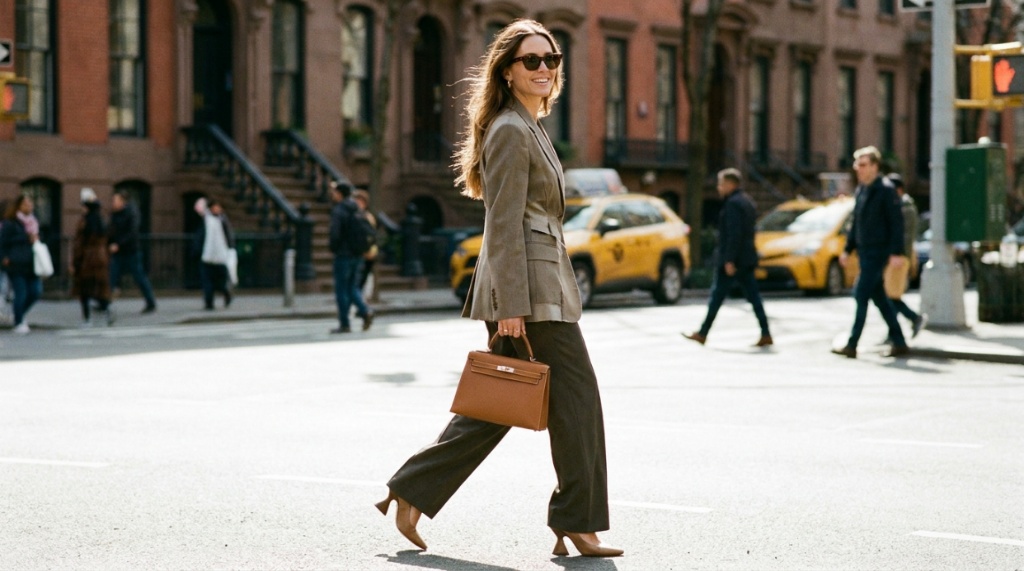
A medium structured top handle bag in a neutral color (black, tan, burgundy, navy) with clean lines, minimal exterior branding, and an optional detachable shoulder strap transitions seamlessly between professional meetings and weekend errands without looking out of place in either context.
Versatility features to prioritize:
- Neutral color palette: Black works universally. Tan/cognac pairs with warm wardrobes. Navy and burgundy add subtle personality while remaining professional. Avoid trend colors (seasonal brights) for your primary daily bag.
- Minimal branding: Prominent logos date a bag and limit outfit pairing. Subtle or internal branding ages better and works across more style contexts. The best investment bags are recognized by shape, not logo.
- Detachable shoulder strap: Converts in-hand formality to cross-body practicality for errands, travel, or hands-free moments. Look for straps that complement (not cheapen) the bag’s aesthetic.
- Clean lines: Minimal exterior pockets, restrained hardware, and uncluttered silhouettes transition between environments more easily than heavily adorned designs.
- Moderate structure: Too rigid looks corporate-only. Too soft looks casual-only. Medium structure works everywhere — holds shape but shows subtle softness that reads approachable.
When investing in a piece that elevates your daily wardrobe, versatile styling is everything. While a structured top handle purse offers unparalleled elegance for the office or a lunch meeting, you may want to tailor your designer collection further based on your calendar. For a deeper look at balancing iconic style across your entire week, check out our guide on selecting Louis Vuitton bags for different occasions.
How Much Should You Spend on a Quality Everyday Top Handle Bag?
Quality everyday top handle bags that deliver genuine craftsmanship, durable materials, and timeless design range from $300–$800 for contemporary luxury brands — below $200 compromises materials significantly, while above $2,000 pays primarily for brand prestige rather than proportional quality improvement.
Price tier expectations:
- $100–$200 (Accessible): Top-grain or corrected-grain leather, decent hardware, 2–4 year lifespan with daily use. Brands: Madewell, Cuyana, Fossil. Good for testing whether the style works for you before investing more.
- $300–$800 (Sweet spot): Full-grain or premium top-grain leather, quality hardware with proper plating, excellent construction, 5–10+ year lifespan. Brands: Polene, DeMellier, Strathberry, Coach (premium lines). Best value-to-quality ratio.
- $800–$2,000 (Premium): Exceptional leather, superior hardware, artisan construction details, strong resale value. Brands: APC, Mansur Gavriel, Mulberry, Celine (select styles). Investment pieces with generational potential.
- $2,000–$10,000+ (Luxury): The finest materials available, hand-stitching, decades of brand heritage, asset-level resale value. Brands: Hermès, Chanel, Dior, Louis Vuitton. Purchases driven by heritage and exclusivity as much as material quality.
The $300–$800 range provides the best everyday luxury proposition: materials and construction that genuinely improve your daily experience without the anxiety of carrying a mortgage payment on your arm through a grocery store.
Ultimately, a true luxury bag shouldn’t just look stunning—it needs to handle the realities of your daily routine without causing frustration. It is incredibly easy to overlook practical details like strap comfort, weight distribution, and closure security when caught up in beautiful aesthetics. To ensure you don’t end up with buyer’s remorse, steer clear of the common pitfalls outlined in our breakdown of the 10 mistakes people make when buying a commuter bag.
What Mistakes Do Buyers Make When Choosing Everyday Top Handle Bags?
The most common mistakes are: choosing trend colors over neutrals (limits daily wearability), prioritizing brand recognition over material quality, buying too small for actual daily needs, ignoring weight (heavy empty bags become painful when full), and selecting styles that require two hands to open (impractical for real life).
Specific mistakes to avoid:
- Buying for Instagram, not life: A photogenic bag that is impractical to carry, access, or maintain serves content creation — not daily living. Prioritize function alongside aesthetics.
- Ignoring empty weight: A bag weighing 2+ lbs empty becomes 4+ lbs with contents. For daily carry, lighter construction (under 1.5 lbs empty) prevents shoulder and hand fatigue.
- No interior organization: A beautiful bag with no internal pockets becomes a black hole where keys and cards disappear. At minimum, look for one zip pocket and one slip pocket.
- Complicated closures: Buckles, multiple clasps, or fiddly mechanisms frustrate daily use. You open your bag 20–30 times daily — the closure should work one-handed in under 2 seconds.
- Trend-driven shape: Ultra-geometric, novelty shapes, or extreme proportions feel dated within 1–2 seasons. Classic proportions (the rectangular frame with soft corners) remain relevant indefinitely.
For detailed reviews of top handle bags evaluated for everyday luxury performance across different lifestyles and budgets, the best top handle bags reviewed in California provides real-world assessments of comfort, durability, and style versatility from extended daily use — helping you choose a bag that works as beautifully on day 500 as day 1.
Conclusion
Choosing the best top handle bag for everyday luxury comes down to four decisions: size that fits your daily essentials without excess (medium, 9–11 inches), leather quality that ages beautifully (full-grain or premium top-grain), hardware that maintains its finish through years of daily contact (PVD-plated solid brass), and a versatile design (neutral color, minimal branding, optional strap) that transitions between every context your life demands.
The $300–$800 range delivers genuine luxury materials and construction without the premium-brand markup that pays for advertising rather than craftsmanship. Invest in one well-chosen top handle bag rather than three mediocre options — the right bag becomes a daily companion that improves with age, earns compliments for years, and pays for itself in cost-per-wear within the first season. Everyday luxury is not about spending more; it is about choosing once, choosing well, and carrying confidence in your hand every day.
What matters most to you in a daily luxury bag — leather quality, hardware, size, or brand heritage? Share your priority and help others focus their search.
Frequently Asked Questions
Are top handle bags practical for everyday use?
Yes — a properly sized medium top handle bag (9–11 inches) carries all daily essentials (phone, wallet, keys, sunglasses, small cosmetics) comfortably. The addition of a detachable shoulder strap provides hands-free flexibility for errands. The structured shape protects contents better than soft bags. Practicality depends entirely on choosing the right size and closure type for your lifestyle.
How do I care for a leather top handle bag?
Store stuffed with tissue paper to maintain shape. Keep in a dust bag away from direct sunlight. Condition leather every 3–6 months with a quality leather conditioner. Wipe hardware with a soft cloth. Avoid prolonged contact with denim (color transfer) or hand sanitizer (damages finishes). Rotate bags to allow leather rest between uses.
Can a top handle bag work for business meetings?
Top handle bags are the quintessential professional accessory. Their structured silhouette conveys organization and intentionality. Choose medium-to-large sizes in dark neutrals (black, navy, burgundy) with minimal hardware for the most authoritative professional appearance. Many high-level executives carry top handle bags exclusively for this reason.
What is the most versatile color for a first top handle bag?
Black is the safest first choice — it works with every outfit, every season, and every setting. If you already own black bags, a warm tan/cognac provides the most versatile alternative that pairs with both warm and cool color palettes. Avoid white or light colors for a daily bag as maintenance becomes burdensome quickly.
How long should a quality top handle bag last?
A quality top handle bag (full-grain leather, solid hardware) should last 10–20+ years with proper care. Heritage-brand bags (Hermès, Chanel) often last generations — many vintage pieces from the 1960s remain fully functional today. Budget bags ($100–$200) typically last 2–4 years of daily use before showing significant wear.
Do top handle bags hold resale value?
Classic styles from heritage brands (Hermès Kelly, Chanel Classic Flap, Lady Dior) often appreciate in value. Contemporary luxury brands ($300–$800) typically retain 30–50% of retail value when resold in good condition. Fast-fashion top handles retain minimal resale value. If resale matters to you, choose established styles from recognized brands in neutral colors.
Is it worth buying a designer top handle bag second-hand?
Absolutely — pre-owned luxury bags offer 30–60% savings over retail with minimal quality difference for well-maintained pieces. Full-grain leather often looks better with age (developed patina). Use authenticated resale platforms (The RealReal, Vestiaire Collective, Rebag) to ensure authenticity. Inspect hardware, leather condition, and interior cleanliness before purchasing.