
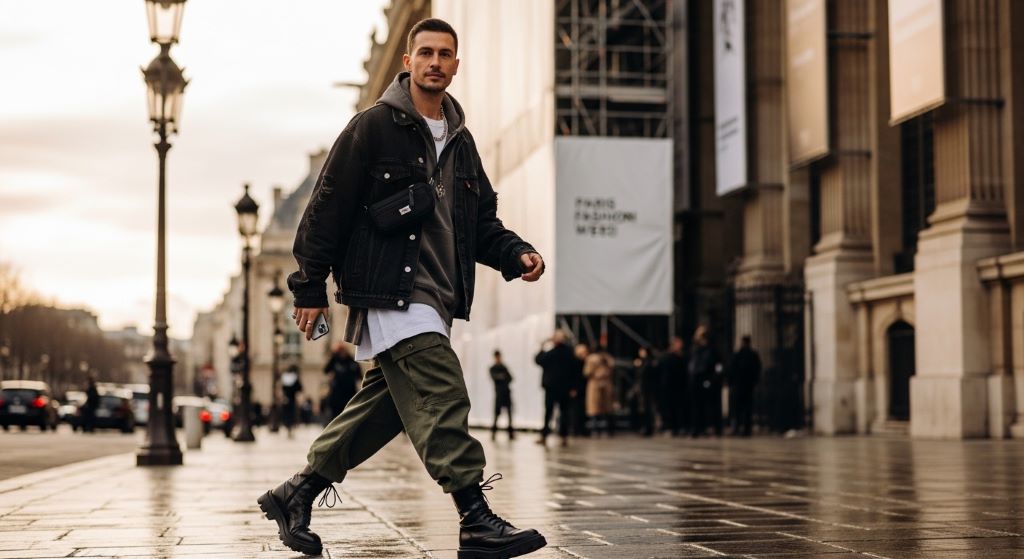
Paris Men’s Fashion Week is one of the most photographed events in the world. Every January, the streets around the Palais Royal and Saint-Germain-des-Prés fill with photographers, editors, and influencers hunting for the next viral look. Getting featured in street style coverage can change your fashion career overnight. However, it does not happen by accident. It takes planning, confidence, and a deep understanding of what makes a look stand out.
This guide walks you through everything you need to know to get noticed, photographed, and featured during Paris Men’s Fashion Week 2026.
Understanding How Street Style Photography Works
Before you plan your outfits, you need to understand the game. Street style photographers are not waiting for ordinary looks. They are searching for images that tell a story. A great street style shot is bold, unique, and instantly shareable.
Photographers like those who shoot for Vogue, GQ, and The Sartorialist spend their days positioned outside show venues. They target guests who walk with confidence and wear something that stops them mid-step. Therefore, your job is to give them a reason to lift the camera.
Publications and Instagram accounts feature looks that either fit a trending aesthetic perfectly or break from it in a memorable way. Both approaches work. You just need to commit fully to one.
Knowing the Paris Street Style Aesthetic
Paris has its own visual language. It leans toward effortless sophistication rather than loud maximalism. However, Fashion Week is the one time when maximalism gets a full pass. During show season, the streets become a runway of their own.
Additionally, Paris street style in 2026 is expected to blend several directions at once. Quiet luxury is still relevant, but so is a post-internet layering aesthetic and a revival of sharp tailoring mixed with sportswear. Knowing these directions helps you dress intentionally rather than randomly.
Study past seasons on platforms like Pinterest, Highsnobiety, and Vogue Runway. Save the looks that get featured repeatedly. Notice what they share in common. Most featured looks have a clear focal point, strong proportions, and a sense of intention. Nothing looks accidental.
Planning Your Outfits Well in Advance
The biggest mistake newcomers make is waiting too long to plan. If you want to get featured, your outfits need to be ready weeks before the event. Paris Men’s Fashion Week 2026 takes place in January. Therefore, start planning by November at the latest.
Aim for at least three to five complete outfits. Each one should work as a standalone look, but all of them should reflect a consistent personal style. Consistency helps photographers and editors recognize you across multiple days of coverage.
When building your looks, focus on the following elements:
- Silhouette: Oversized, structured, or asymmetric shapes photograph better than standard fits.
- Color: Either go monochromatic or use color-blocking. Mixed patterns work when they are intentional and balanced.
- Layering: Thoughtful layering adds visual complexity and depth to a photo.
- Footwear: Shoes are one of the first things photographers notice. Make them count.
- Accessories: A standout bag, unusual eyewear, or interesting headwear can elevate a look from good to great.
Additionally, consider how each outfit will look in photographs. Busy environments can swallow subtle details. Think in contrasts. A pale coat against dark cobblestones reads beautifully. A dark layered look against a white Haussmann building does the same.
Choosing the Right Venues and Timing
Location matters enormously. Street style photographers cluster around the most important shows. In 2026, key venues are expected to include the Palais Royal garden courtyard, the Carrousel du Louvre, and various temporary show spaces in the Marais district.
Arrive early. Photographers start shooting 30 to 45 minutes before shows begin and continue as guests file out afterward. The best light and the most relaxed atmosphere tend to appear about 20 minutes before doors open. During that window, guests are standing around, talking, and waiting. This is your prime moment.
However, do not simply plant yourself near a venue and wait. Move purposefully. Walk slowly and with direction, as if you are heading somewhere specific. Confidence in movement translates directly into a compelling photograph. Photographers rarely ask standing-still people for shots. They chase people in motion who look like they belong in a film.
Building Your Online Presence Before You Arrive
In 2026, getting featured is not just about print or web publications anymore. Instagram, TikTok, and editorial-style accounts on X play a huge role in amplifying street style moments. Therefore, building your social media presence before Fashion Week gives you a significant advantage.
Photographers often tag the people they shoot. If your account has a recognizable aesthetic and a solid following, publications are more likely to feature you because you bring your own audience with you. Additionally, being active during Fashion Week yourself allows you to tag photographers back, which creates a cycle of mutual visibility.
Post regularly in the months leading up to January. Share outfit posts, fashion commentary, and behind-the-scenes content that establishes your identity as a genuine fashion person, not just someone who shows up for the spectacle.
Networking With Photographers and Editors
Relationships open doors that outfits alone cannot. Many street style photographers return to Paris season after season. If they recognize you from a previous year or from your online presence, you are far more likely to be photographed again.
Introduce yourself genuinely and without agenda. Compliment their work if you follow it. Share your name and handle naturally in conversation. Over time, these small interactions build real recognition.
Additionally, connect with fashion editors and stylists who attend shows. Many of them have direct relationships with publications that run street style features. Being part of that social ecosystem increases your chances of being recommended for coverage even when you are not physically standing in front of a camera.
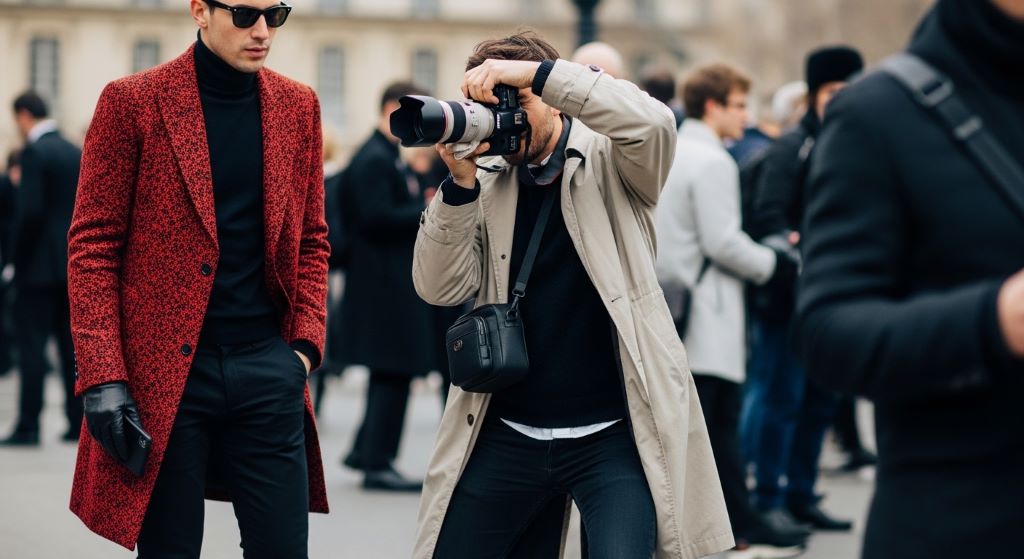
Mastering the Art of Being Photographed
Even the most striking outfit can be wasted on a bad photograph. Therefore, learning how to present yourself for the camera makes a real difference.
Stand tall and square your shoulders. Avoid looking directly at the lens unless the photographer specifically asks for it. A side glance, a natural mid-laugh, or eyes fixed on a point in the distance tend to produce more editorial-looking images than a stiff direct stare.
Let your hands do something natural. Hold your bag strap, adjust a jacket collar, or simply let your arms move as you walk. Stiff hands are one of the most common issues in amateur street style photography.
However, do not over-pose. Photographers are looking for authenticity. The best street style images feel like they were captured rather than staged. Relaxing your face and body helps you achieve that quality.
Wearing What Actually Fits Your Body
This point is simple but often overlooked. A look that was designed for a runway model may not carry the same proportions on your frame. Therefore, always try on and wear your full outfit before the event. Walk around in it. Sit down in it. Check how it photographs in natural light.
Tailoring makes a significant difference. Even a budget outfit can look expensive when it fits perfectly. Conversely, a high-end look can fall flat when the proportions are slightly off. Invest in adjustments where needed.
Additionally, wear what you actually feel comfortable in. Discomfort shows in photographs. If you are spending the whole day tugging at a collar or adjusting a waistband, that tension will appear on your face and in your posture.
Understanding What Editors Are Looking For in 2026
Fashion Week 2026 is taking place in a post-pandemic era that has reshaped how editors and publications think about style. There is less appetite for pure logo-spotting and more interest in how real people interpret fashion on their own terms.
Editors are currently drawn to looks that feel personal and considered. They want to see evidence of a point of view. Therefore, mixing vintage with new, combining different cultural references, or reinterpreting a classic in an unexpected way is more compelling than wearing a head-to-toe runway look straight off the hanger.
Sustainability also plays a growing role. Outfits built around secondhand pieces, local designers, or upcycled garments often carry an interesting story that editorial teams appreciate. Moreover, these stories give publications additional content to write around your image.
Staying Consistent Across Multiple Days
Fashion Week lasts several days. Consistency across those days builds recognition. If photographers and editors see you on multiple occasions with a strong and coherent personal style, you become a narrative, not just a one-time shot.
Plan your looks so that each day builds on a theme. Perhaps you stay within a defined color palette across all outfits. Perhaps you always incorporate a specific type of accessory or always layer in a recognizable way. These threads of continuity help you become a recurring character in the week’s visual story.
Additionally, document your own outfits every day and post them promptly. Real-time coverage keeps your momentum alive and gives photographers and editors another reason to seek you out.
Conclusion
Getting street style featured at Paris Men’s Fashion Week 2026 is a combination of preparation, presence, and personality. Start by understanding how street style photography works and what the current aesthetic directions are. Plan strong, intentional outfits well in advance and focus on silhouette, color, and accessories. Choose your venues and timing wisely, and move with confidence. Build your online presence before you arrive and invest in genuine relationships with photographers and editors. Learn to present yourself naturally in front of a camera, and wear looks that genuinely fit and reflect who you are. Stay consistent across multiple days so that you become a recognizable presence throughout the week. When all of these elements come together, the lens will find you.
Frequently Asked Questions
Do I need an official invitation to attend Paris Men’s Fashion Week street style events?
You do not need an invitation to be photographed on the street. Street style happens in public spaces around show venues. Anyone can show up and be photographed. However, attending the shows themselves requires official invitations from brands.
What is the best time of day to get photographed?
The 20 to 45 minutes before major shows begin offer the best opportunities. Photographers are active, lighting is often good, and the atmosphere is energetic. Early afternoon shows tend to offer better natural light than evening events.
Can emerging designers or unknowns get featured, or is it only celebrities?
Emerging individuals get featured regularly. Photographers are looking for compelling looks, not just famous faces. Many of the most-shared street style images from recent seasons feature entirely unknown people who simply wore something extraordinary.
How important is social media following for getting featured?
A following helps but is not essential for your first appearance. Strong style and confidence are the primary factors. However, a growing social presence increases the chances of publications tagging and featuring you because it amplifies their own reach.
What should I avoid wearing to maximise my chances of being photographed?
Avoid anything that reads as generic or overly safe. Plain jeans and a standard jacket are unlikely to attract a photographer’s eye. Additionally, avoid trends that are already oversaturated in coverage. Trying something that feels fresh and considered will always perform better than copying a look that has already been widely photographed.
Related Topics:
Beyond the Mainstream: Unearthing the Charm of Forgotten Fashion Era Outfits
The Transformative Power of Modular Clothing Customization: Stitching Together Sustainability, Style, and Savings