

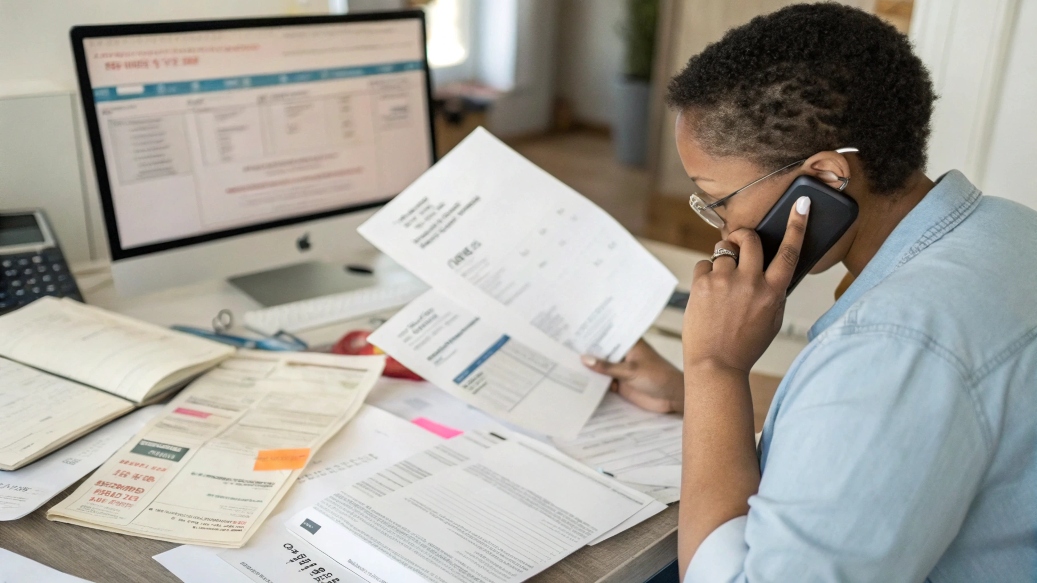
Unexpected medical bills can be a significant financial burden, often catching patients off guard with their complexity and high costs. Negotiating these bills effectively requires a blend of knowledge, strategy, and persistence. This article delves into the history, current state, key concepts, benefits, challenges, and future trends of medical bill reduction tactics, offering actionable insights for even the most informed readers. With a focus on proven strategies, mathematical breakdowns, and frequently asked questions, this guide aims to empower individuals to navigate the healthcare billing landscape confidently.
History of Medical Billing and Negotiation
Early Medical Billing Practices
Medical billing has evolved significantly over time, shaped by changes in healthcare systems and economic structures.
-
Pre-20th Century: Healthcare was often paid for directly, with patients bartering goods or services for treatment. Bills were simple, and negotiations were informal.
-
Early 20th Century: The rise of health insurance introduced third-party payers, complicating billing. Hospitals began itemizing services, leading to disputes over costs.
-
Post-World War II: Employer-sponsored insurance grew, and medical costs rose, prompting patients to question bills. Informal negotiations became more common as patients sought relief from unexpected expenses.
Emergence of Formal Negotiation Tactics
By the late 20th century, medical billing disputes spurred the development of structured negotiation strategies.
-
1980s-1990s: The introduction of Diagnosis-Related Groups (DRGs) standardized hospital payments, but errors in coding led to overbilling. Advocacy groups emerged to assist patients in challenging bills.
-
2000s: Rising healthcare costs and complex insurance plans increased the need for negotiation. Professional medical bill advocates began offering services to negotiate on behalf of patients.
-
Legislative Milestones: Laws like the Affordable Care Act (2010) introduced protections against surprise billing, laying the groundwork for modern negotiation tactics.
Current State of Medical Bill Negotiation
Prevalence of Unexpected Medical Bills
Unexpected medical bills remain a pervasive issue, driven by systemic complexities in healthcare.
-
Statistics: A 2022 Kaiser Family Foundation study found that 46% of insured adults received an unexpected medical bill in the past year, with 20% owing $1,000 or more.
-
Common Causes:
-
Out-of-network provider charges, even at in-network facilities.
-
Incorrect coding or billing errors.
-
Denied insurance claims due to pre-authorization issues.
-
-
Impact: High bills contribute to medical debt, with 41% of Americans reporting healthcare-related financial struggles, per a 2023 Commonwealth Fund survey.
Existing Negotiation Frameworks
Today, patients and advocates employ a range of tactics to reduce medical bills, supported by legal protections and industry practices.
-
Direct Negotiation: Patients contact providers or billing departments to request discounts or payment plans.
-
Professional Advocacy: Medical bill advocates review bills for errors and negotiate with providers, often charging a percentage of savings (10-30%).
-
Charity Care Programs: Many hospitals offer financial assistance for low-income patients, though eligibility criteria vary.
-
Legal Protections: The No Surprises Act (2022) shields patients from certain out-of-network charges, providing leverage in negotiations.
Key Concepts in Medical Bill Negotiation
Understanding Medical Bills
Decoding a medical bill is the first step in negotiation, as errors are common and can inflate costs.
-
Components of a Bill:
-
CPT Codes: Current Procedural Terminology codes describe services rendered.
-
ICD-10 Codes: International Classification of Diseases codes justify procedures.
-
Chargemaster Rates: Hospital price lists, often inflated compared to negotiated insurance rates.
-
-
Common Errors:
-
Duplicate charges for the same service.
-
Upcoding, where a procedure is billed at a higher rate than performed.
-
Charges for services not received.
-
Negotiation Strategies
Effective negotiation requires preparation, persistence, and knowledge of leverage points.
-
Preparation:
-
Request an itemized bill to scrutinize charges.
-
Compare charges to fair market rates using tools like Healthcare Bluebook or Fair Health Consumer.
-
Gather documentation, such as insurance Explanation of Benefits (EOBs).
-
-
Tactics:
-
Polite Persistence: Engage billing staff courteously but firmly, escalating to supervisors if needed.
-
Leverage Cash Payments: Offer to pay a reduced amount upfront, as providers often prefer immediate payment over prolonged collections.
-
Cite Financial Hardship: Highlight inability to pay, which may qualify you for discounts or charity care.
-
Challenge Errors: Point out coding or billing mistakes, which providers are obligated to correct.
-
-
External Support:
-
Hire a medical bill advocate for complex cases.
-
Consult nonprofit organizations like the Patient Advocate Foundation for free guidance.
-
Proven Mathematical Approach to Negotiation
A structured approach to negotiation can maximize savings. Below is a step-by-step method with a mathematical breakdown.
-
Step 1: Identify Total Bill Amount
Example: A hospital bill totals $10,000 for an emergency room visit. -
Step 2: Estimate Fair Market Rate
Using Healthcare Bluebook, the fair rate for similar services in your area is $6,000. -
Step 3: Calculate Potential Savings from Errors
Review the itemized bill and identify $1,500 in duplicate charges. Adjusted bill: $10,000 – $1,500 = $8,500. -
Step 4: Apply Negotiation Discount
Providers often discount 20-40% for cash payments or financial hardship. Assume a 30% discount on the adjusted bill: $8,500 × 0.7 = $5,950. -
Step 5: Compare to Insurance Rates
If insured, check the EOB for the negotiated rate (e.g., $5,000). Use this as a benchmark to negotiate further. -
Outcome: Final negotiated bill could range from $5,000-$5,950, saving 40-50% off the original $10,000.
Table: Negotiation Savings Breakdown
|
Step |
Description |
Bill Amount |
Savings |
|---|---|---|---|
|
Initial Bill |
Total charged |
$10,000 | – |
|
Error Correction |
Remove duplicates |
$8,500 | $1,500 |
|
Fair Market Adjustment |
Align with regional rates |
$6,000 | $2,500 |
|
Negotiation Discount |
30% cash discount |
$5,950 | $550 |
|
Final Bill |
After all adjustments |
$5,950 | $4,050 |
Benefits of Negotiating Medical Bills
Financial Relief
Negotiation can significantly reduce out-of-pocket costs, easing financial strain.
-
Immediate Savings: Discounts of 20-50% are common, as shown in the mathematical example above.
-
Debt Prevention: Lower bills reduce the likelihood of medical debt, which affects 23 million Americans, per the Consumer Financial Protection Bureau.
-
Flexible Payment Plans: Providers may offer interest-free plans post-negotiation, making payments manageable.
Empowerment and Advocacy
Engaging in negotiation fosters financial literacy and patient advocacy.
-
Knowledge Gain: Patients learn to navigate healthcare systems, empowering future interactions.
-
Systemic Impact: Challenging errors encourages providers to improve billing accuracy.
-
Community Benefits: Sharing negotiation success stories inspires others, amplifying advocacy efforts.
Challenges in Medical Bill Negotiation
Systemic Barriers
The healthcare system’s complexity poses significant hurdles.
-
Opaque Pricing: Chargemaster rates vary widely, making it hard to assess fair costs.
-
Bureaucratic Resistance: Billing departments may be unresponsive or unwilling to negotiate.
-
Time-Intensive Process: Reviewing bills and negotiating can take weeks, discouraging busy patients.
Knowledge Gaps
Many patients lack the expertise to negotiate effectively.
-
Coding Complexity: Understanding CPT and ICD-10 codes requires specialized knowledge.
-
Insurance Nuances: Navigating EOBs and insurance denials can be daunting.
-
Legal Awareness: Patients may not know their rights under laws like the No Surprises Act.
Emotional and Financial Stress
The process can exacerbate existing stress.
-
Emotional Toll: Facing high bills while recovering from medical issues is overwhelming.
-
Risk of Rejection: Providers may refuse discounts, leaving patients discouraged.
-
Upfront Costs: Hiring advocates involves fees, which may deter low-income individuals.
Future Trends in Medical Bill Negotiation
Technological Advancements
Technology is streamlining negotiation processes, making them more accessible.
-
AI-Powered Tools: Platforms like Goodbill and ClaimDOC use AI to analyze bills for errors and suggest negotiation strategies.
-
Price Transparency Tools: Apps like Turquoise Health provide real-time pricing data, empowering patients to benchmark costs.
-
Telehealth Integration: Virtual consultations with billing advocates are reducing barriers to professional support.
Policy Reforms
Ongoing legislative efforts aim to curb unexpected bills and enhance negotiation leverage.
-
Expanded No Surprises Act: Future amendments may cover additional scenarios, such as ambulance services.
-
Price Transparency Mandates: CMS rules require hospitals to post prices online, aiding negotiation.
-
State-Level Initiatives: States like California are enacting laws to cap out-of-network charges, strengthening patient protections.
Consumer Empowerment
A growing emphasis on financial literacy is equipping patients to negotiate.
-
Educational Campaigns: Nonprofits are offering workshops on medical billing and negotiation.
-
Crowdsourced Knowledge: Online forums and social media platforms like X share real-time negotiation tips.
-
Advocacy Networks: Grassroots movements are pushing for systemic medical bill reduction reforms, amplifying patient voices.
Review of Negotiation Tactics
Negotiating unexpected medical bill reduction is a multifaceted process that combines preparation, strategy, and persistence. Key takeaways include:
-
Preparation is Critical: Request itemized bills, verify charges, and research fair market rates.
-
Leverage Multiple Angles: Use billing errors, financial hardship, and cash payment offers to secure discounts.
-
Seek Support: Professional advocates and nonprofit resources can enhance outcomes.
-
Stay Informed: Understand your rights under laws like the No Surprises Act to strengthen your position.
-
Persistence Pays Off: Escalate to supervisors and follow up regularly to achieve results.
The mathematical approach outlined earlier demonstrates that savings of 40-50% are achievable with diligent effort. By combining these tactics with emerging tools and policy protections, patients can significantly mitigate the financial impact of unexpected medical bill reduction.
Read More Also: The Transformative Power of Modular Clothing Customization: Stitching Together Sustainability, Style, and Savings
FAQs: Short Answers
What is the first step in negotiating a medical bill?
Request an itemized bill and review it for errors, such as duplicate charges or incorrect codes.
Can I negotiate a bill if I have insurance?
Yes, you can negotiate errors, out-of-network charges, or uncovered services, using your EOB as a reference.
How much can I save by negotiating?
Savings typically range from 20-50%, depending on errors, provider policies, and negotiation tactics.
Are medical bill advocates worth the cost?
For complex medical bill reduction, advocates can save more than their fees (10-30% of savings), but simpler cases may not require them.
What if the provider refuses to negotiate?
Escalate to a supervisor, cite financial hardship, or seek help from a nonprofit like the Patient Advocate Foundation.