

Avant-garde fashion, a term that conjures images of the unconventional and the boundary-pushing, exists as a powerful force within the broader fashion landscape. It’s not merely about clothing; it’s a profound artistic expression, a social commentary, and a relentless pursuit of innovation. Unlike mainstream trends, which prioritize commercial appeal and mass accessibility, avant-garde fashion thrives on challenging established norms, pushing creative limits, and provoking thoughtful dialogue. This article delves into the intricate world of avant-garde fashion, exploring its origins, defining characteristics, influential figures, and its enduring impact on contemporary culture.
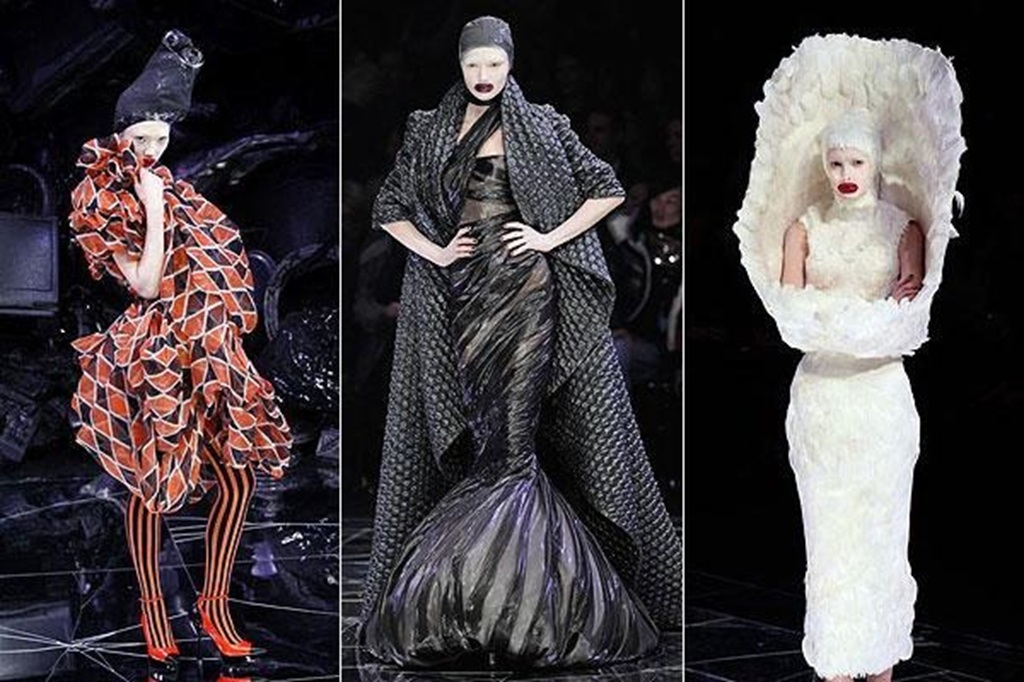
The roots of avant-garde fashion can be traced back to the early 20th century, a period marked by significant artistic and social upheaval. Movements like Futurism, Dadaism, and Surrealism, which rejected traditional artistic conventions, directly influenced the nascent avant-garde fashion scene. Designers began to experiment with unconventional materials, sculptural silhouettes, and conceptual designs, breaking away from the rigid structures of haute couture. Consider Elsa Schiaparelli, whose collaborations with Salvador Dalí resulted in iconic pieces like the “Lobster Dress,” a surrealist masterpiece that challenged the very definition of wearable art. This period laid the foundation for a fashion philosophy that prioritized artistic expression over commercial viability, establishing the avant-garde as a distinct and influential force.
One of the defining characteristics of avant-garde fashion is its unwavering commitment to innovation. It’s a realm where designers are constantly exploring new materials, techniques, and forms, pushing the boundaries of what’s possible in clothing design. The use of unconventional fabrics, such as latex, metal, and recycled materials, is common, as is the incorporation of cutting-edge technologies like 3D printing and digital fabrication. Silhouettes are often exaggerated, deconstructed, or entirely reimagined, creating garments that are more akin to wearable sculptures than traditional clothing. Think of the architectural designs of Issey Miyake, whose pleated garments transformed fabric into dynamic, three-dimensional forms, or the conceptual creations of Rei Kawakubo, whose Comme des Garçons collections challenged conventional notions of beauty and proportion. This relentless pursuit of innovation is what sets avant-garde fashion apart, making it a driving force behind the evolution of design.
Beyond its aesthetic innovation, avant-garde fashion serves as a powerful medium for social and cultural commentary. Designers often use their creations to address pressing issues, challenge societal norms, and provoke critical thinking. Garments can become platforms for expressing political views, exploring gender identity, or questioning consumerism. Consider the work of Vivienne Westwood, whose punk-inspired designs in the 1970s and 80s were a direct challenge to the established order, or the more recent collections of designers like Iris van Herpen, whose work often explores the intersection of technology and nature, raising questions about the future of humanity. The ability to use clothing as a form of social commentary is a hallmark of avant-garde , making it a vital and relevant art form.
The influence of avant-garde extends far beyond the runway, permeating various aspects of contemporary culture. Its impact can be seen in art, architecture, music, and even technology. The sculptural silhouettes and innovative materials often inspire architects and industrial designers, while the conceptual and experimental nature of avant-garde resonates with artists and musicians. The embrace of technology in design has also paved the way for new possibilities in wearable technology and smart textiles. Moreover, the avant-garde’s willingness to challenge conventions has fostered a culture of creativity and experimentation across various fields. The avant-garde has a ripple effect that is felt in all facets of the arts.
Key figures in avant-garde have consistently demonstrated a commitment to pushing boundaries and challenging expectations. Rei Kawakubo, with her deconstructed and asymmetrical designs, has redefined the concept of beauty, creating garments that are both challenging and thought-provoking. Alexander McQueen, known for his theatrical runway shows and dramatic silhouettes, explored themes of mortality, nature, and technology, creating collections that were both beautiful and unsettling. John Galliano, during his tenure at Dior, infused haute couture with theatricality and historical references, pushing the boundaries of craftsmanship and design. These designers, along with many others, have played a pivotal role in shaping the avant-garde aesthetic, establishing it as a powerful force in the fashion world.
The digital age has further amplified the reach and influence of avant-garde . Social media platforms like Instagram and TikTok have become crucial channels for designers to showcase their work, connect with audiences, and build communities. Online platforms have democratized fashion, allowing emerging designers to bypass traditional gatekeepers and reach a global audience. The rise of digital fashion, including virtual clothing and digital avatars, has also opened up new avenues for avant-garde expression, blurring the lines between the physical and digital realms. The internet has become a crucial tool for the avant-garde movement to spread its influence.
One of the most compelling aspects of avant-garde is its ability to evoke emotional responses. Garments are not merely objects of adornment; they are vehicles for expressing emotions, ideas, and experiences. The use of unexpected materials, unconventional silhouettes, and conceptual designs can create a sense of wonder, intrigue, or even unease. This emotional resonance is what makes avant-garde so powerful, allowing it to connect with audiences on a deeper level. The ability to evoke a feeling is the true art of the avant-garde.
In a world increasingly dominated by fast fashion and mass production, avant-garde serves as a vital counterpoint, offering a space for creativity, innovation, and critical thinking. It challenges us to question our assumptions about beauty, style, and consumption, encouraging us to embrace individuality and celebrate the unconventional. The avant-garde is a constant reminder that fashion is not just about trends; it’s about art, culture, and the human experience.
Read More Also: Embrace Rustic Romance: Your Guide to Choosing the Perfect Country Style Wedding Dress
People Also Ask (FAQs):
-
What is the difference between haute couture and avant-garde fashion?
- Haute couture focuses on exquisite craftsmanship and bespoke designs, often using luxurious materials and traditional techniques. Avant-garde, on the other hand, prioritizes artistic expression and innovation, challenging established norms and pushing creative boundaries.
-
Who are some famous avant-garde fashion designers?
- Some prominent avant-garde designers include Rei Kawakubo, Alexander McQueen, John Galliano, Iris van Herpen, Vivienne Westwood, and Issey Miyake.
-
What are some characteristics of avant-garde fashion?
- Key characteristics include unconventional materials, sculptural silhouettes, conceptual designs, social commentary, and a focus on innovation.
-
How does avant-garde fashion influence mainstream fashion?
- Avant-garde often serves as a source of inspiration for mainstream trends, introducing new materials, silhouettes, and concepts that eventually trickle down to mass-market designs.
-
Where can I find avant-garde fashion?
- Avant-garde fashion can be found in high-end boutiques, art galleries, museums, and online platforms specializing in independent designers.
-
What is the meaning of avant-garde?
- The term “avant-garde” originates from the French military term for the vanguard or advance guard. In the art and fashion world, it refers to experimental and innovative works that push the boundaries of established norms.
-
Is avant-garde fashion wearable?
- While some avant-garde pieces are purely conceptual, many designers create wearable garments that incorporate avant-garde elements. Wearability is not always the primary focus, but it is often present.
Read More Also: Decoding the Timeless Duo: How to Style T-Shirts and Jeans for Every Occasion
Conclusion:
Avant-garde fashion is more than just a fleeting trend; it’s a dynamic and evolving art form that reflects the complexities of contemporary culture. Its unwavering commitment to innovation, social commentary, and artistic expression has made it a vital force in the fashion world and beyond. By challenging conventions and pushing boundaries, avant-garde designers inspire us to think differently about clothing, beauty, and the world around us. In a world that often prioritizes conformity, the avant-garde stands as a testament to the power of individuality and the enduring allure of creative expression. The future of avant-garde
promises even greater innovation, as designers continue to explore new technologies, materials, and concepts.