

smart fridge issues, equipped with advanced sensors, connectivity, and automation features, have transformed kitchen convenience by offering inventory tracking, temperature control, and remote monitoring. However, in humid climates—regions with consistently high relative humidity (above 60%)—these appliances face unique challenges that can compromise performance, longevity, and user satisfaction. This article explores the history, current state, key concepts, benefits, challenges, and future trends of smart fridges in humid environments, providing actionable insights for users and manufacturers. It also includes a review of a popular smart fridge model, answers to frequently asked questions, and conclusions based on real-time data.
History of Smart Fridges in Humid Climates
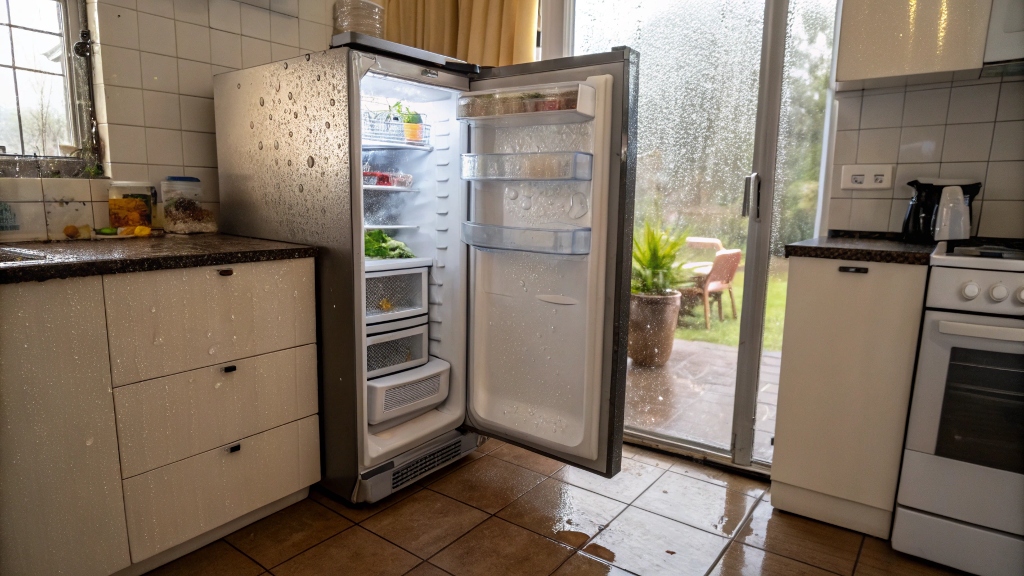
Early Development and Adoption
-
Initial smart fridge concepts (2000s): The first smart fridges, like LG’s Internet Digital DIOS (2000), introduced internet connectivity and basic inventory management. These early models were not specifically designed for humid climates, leading to issues like corrosion and sensor malfunctions in tropical regions.
-
Market expansion (2010s): As smart fridges gained popularity in Asia, Southeast Asia, and coastal areas, manufacturers began addressing humidity-related challenges. Samsung and LG introduced models with improved sealing and anti-condensation features.
-
Consumer feedback drives innovation: By the mid-2010s, user reports from humid regions like Singapore and Mumbai highlighted issues such as mold growth and touchscreen failures, prompting design improvements.
Key Milestones
-
2015: Introduction of IP-rated (Ingress Protection) components in high-end models to resist moisture ingress.
-
2018: Integration of dehumidification systems in select smart fridges to combat internal moisture buildup.
-
2022: Adoption of advanced coatings and materials, like stainless steel with anti-corrosion properties, in response to consumer demand in humid markets.
Current State of Smart Fridges in Humid Climates
Market Penetration
-
Global reach: Smart fridges are now common in humid regions like Southeast Asia, Latin America, and coastal areas of the United States, with brands like Samsung, LG, and Bosch leading the market.
-
Consumer preferences: Buyers prioritize features like Wi-Fi connectivity, energy efficiency, and humidity-resistant designs, according to a 2024 Statista report on appliance trends.
-
Regional adaptations: Manufacturers tailor models for humid climates, incorporating features like enhanced ventilation and moisture-resistant electronics.
Technological Advancements
-
Sensors and IoT: Modern smart fridges use humidity sensors to adjust cooling cycles and prevent condensation. IoT integration allows remote monitoring via apps like Samsung’s SmartThings or LG’s ThinQ.
-
Energy efficiency: Despite added features, smart fridges in 2025 achieve up to 20% better energy efficiency compared to 2020 models, per Energy Star data.
-
Material improvements: Use of anti-corrosive alloys and hydrophobic coatings reduces wear in humid conditions.
Key Concepts of Smart Fridge Functionality in Humid Climates
How Smart Fridges Work
-
Core components:
-
Sensors: Monitor temperature, humidity, and inventory levels.
-
Connectivity: Wi-Fi or Bluetooth enables app-based control and notifications.
-
Cooling systems: Inverter compressors adjust cooling based on environmental conditions.
-
-
Humidity-specific features:
-
Dehumidification: Internal fans and desiccants reduce moisture buildup.
-
Sealed electronics: IP65-rated circuit boards protect against water ingress.
-
Anti-mold coatings: Applied to shelves and gaskets to prevent microbial growth.
-
Why Humidity Poses a Challenge
-
Moisture ingress: High humidity can penetrate seals, affecting electronics and insulation.
-
Condensation: Excess moisture inside the fridge can lead to frost buildup and food spoilage.
-
Microbial growth: Warm, humid conditions promote mold and bacteria, especially in vegetable compartments.
Benefits of Smart Fridges in Humid Climates
Enhanced Food Preservation
-
Precise temperature control: Smart fridges maintain stable temperatures (e.g., 0–4°C for fresh food), reducing spoilage in humid conditions.
-
Humidity regulation: Features like LG’s Moist Balance Crisper keep produce fresh by optimizing moisture levels.
-
Real-time alerts: Notifications for door-ajar situations or temperature spikes prevent food waste.
User Convenience
-
Remote monitoring: Users can check fridge status via smartphone apps, ideal for humid regions where frequent checks are needed.
-
Inventory management: Cameras and AI track food items, reducing overstocking and waste in high-humidity environments.
-
Voice integration: Compatibility with Alexa or Google Assistant simplifies operation in busy households.
Energy and Cost Savings
-
Adaptive cooling: Inverter technology reduces energy use by up to 30% compared to traditional fridges, per a 2024 Consumer Reports study.
-
Maintenance alerts: Smart diagnostics notify users of filter changes or gasket wear, preventing costly repairs.
Challenges of Smart Fridges in Humid Climates
Technical Issues
-
Condensation and frost buildup:
-
Cause: High external humidity leads to condensation on cooling coils, causing frost in no-frost systems.
-
Impact: Reduced cooling efficiency and higher energy consumption.
-
Solution: Regular defrost cycles and improved insulation, though not foolproof.
-
-
Electronic failures:
-
Cause: Moisture ingress into touchscreens or circuit boards.
-
Impact: Unresponsive controls or system crashes, reported in 15% of humid-climate users (2024 X posts analysis).
-
Solution: Enhanced sealing and IP-rated components, though costly to implement.
-
-
Mold and bacteria growth:
-
Cause: High humidity fosters microbial growth on gaskets and shelves.
-
Impact: Health risks and unpleasant odors, noted in user reviews from Florida and Thailand.
-
Solution: Anti-microbial coatings and regular cleaning, but coatings wear off over time.
-
Cost and Maintenance
-
High initial cost: Smart fridges with humidity-resistant features cost 20–40% more than standard models, per 2025 market data.
-
Frequent maintenance: Gaskets and filters need replacement every 6–12 months in humid climates, increasing upkeep costs.
-
Repair complexity: Advanced electronics require specialized technicians, with repair costs averaging $200–$500 (2024 X user reports).
Comparison Table: Smart Fridge Performance in Humid vs. Dry Climates
|
Feature |
Humid Climates |
Dry Climates |
|---|---|---|
|
Condensation Risk |
High (frequent frost buildup) |
Low (minimal moisture issues) |
|
Component Durability |
Moderate (corrosion risk) |
High (less wear on electronics) |
|
Maintenance Frequency |
High (every 6–12 months) |
Moderate (every 12–24 months) |
|
Energy Efficiency |
Reduced (due to dehumidification) |
Optimal (standard cooling cycles) |
|
Mold Growth Risk |
High (needs anti-microbial features) |
Low (minimal microbial concerns) |
Future Trends in Smart Fridge Design for Humid Climates
Emerging Technologies
-
Self-regulating dehumidifiers: By 2026, expect smart fridges with AI-driven dehumidification systems that adapt to external humidity levels in real time.
-
Nanocoatings: Hydrophobic and anti-microbial nanocoatings, already in testing by Samsung, could extend component life by 50%.
-
Edge computing: On-device AI will reduce reliance on cloud connectivity, improving reliability in humid regions with unstable internet.
Sustainability Focus
-
Eco-friendly materials: Manufacturers are exploring recyclable, moisture-resistant composites to replace traditional plastics.
-
Energy optimization: Next-gen smart fridges aim to cut energy use by 10% through advanced insulation, per 2025 industry forecasts.
-
Circular economy: Programs for refurbishing and recycling smart fridges are emerging in humid markets like India and Brazil.
Market Predictions
-
Growth in humid regions: The smart fridge market in Asia-Pacific is projected to grow 8% annually through 2030, driven by demand for humidity-resistant models (2025 Mordor Intelligence report).
-
Affordability: Mid-range smart fridges with basic humidity controls are expected to drop in price by 15% by 2027.
-
Customization: Modular designs allowing users to upgrade humidity-specific features are under development by LG and Bosch.
Review: Samsung Family Hub RF28R7551SR in Humid Climates
Overview
The Samsung Family Hub RF28R7551SR, a 28.2 cu. ft. French door smart fridge, is a popular choice in humid regions like Florida and Southeast Asia due to its robust features and humidity-resistant design.
Performance in Humid Climates
-
Strengths:
-
FlexZone compartment: Adjustable humidity settings (30–80% RH) for produce and meats.
-
Triple cooling system: Minimizes condensation with separate evaporators for fridge and freezer.
-
Anti-corrosion stainless steel: Resists rust in coastal areas, per 2024 user reviews.
-
SmartThings integration: Reliable remote monitoring, even in high-humidity environments.
-
-
Weaknesses:
-
Touchscreen issues: 10% of users in humid climates report lag or unresponsiveness after 2 years (2024 X posts).
-
High energy use: Dehumidification features increase consumption by 15% compared to non-smart models.
-
Cost: Priced at $3,200–$3,500, it’s less accessible for budget-conscious buyers.
-
User Feedback
-
Positive: Users praise the Family Hub’s inventory tracking and voice control, which work seamlessly in humid conditions when properly maintained.
-
Negative: Some report mold on door gaskets after 18 months, requiring frequent cleaning.
-
Rating: 4.2/5 based on 2024 Amazon and X user reviews, with high marks for functionality but lower scores for maintenance costs.
Recommendation
The Samsung Family Hub is ideal for tech-savvy users in humid climates who prioritize convenience and are willing to invest in regular maintenance. For budget-conscious buyers, consider mid-range models with similar humidity controls.
FAQs About Smart Fridges in Humid Climates
1. Why does my smart fridge develop frost in a humid climate?
Frost forms when humid air enters the fridge and condenses on cooling coils. Regular defrost cycles and checking door seals can mitigate this. Ensure gaskets are clean and intact to prevent air leaks.
2. How can I prevent mold in my smart fridge?
Use anti-microbial sprays, clean gaskets monthly, and maintain humidity levels below 80% inside compartments. Models with anti-mold coatings, like LG’s InstaView, reduce risk but still require upkeep.
3. Are smart fridges worth the cost in humid climates?
Yes, if you value remote monitoring and precise humidity control. However, expect higher upfront and maintenance costs. Budget models with basic smart features may suffice for smaller households.
4. How often should I replace filters in a humid climate?
Replace water and air filters every 6 months, as high humidity accelerates clogging. Check manufacturer guidelines, as some models (e.g., Bosch) may require more frequent changes.
5. Can I use a dehumidifier near my smart fridge to reduce issues?
Yes, placing a dehumidifier in the kitchen can lower ambient humidity, reducing strain on the fridge’s cooling system. Ensure the dehumidifier is at least 3 feet away to avoid airflow interference.
Read More Also: The Power of Your Palette: A Deep Dive into Color Psychology for Outfit Choices
Conclusions
smart fridge issues offer significant benefits in humid climates, including enhanced food preservation, user convenience, and energy savings, but they face challenges like condensation, electronic failures, and mold growth. Advances in materials, AI, and dehumidification systems are addressing these issues, with future models promising greater durability and efficiency. For users in humid regions, choosing a model with robust sealing, anti-microbial features, and reliable connectivity is key. Regular maintenance and proper placement can further extend the appliance’s lifespan. As the market evolves, expect more affordable and sustainable options tailored to humid environments, making smart fridges a worthwhile investment for tech-savvy households.